
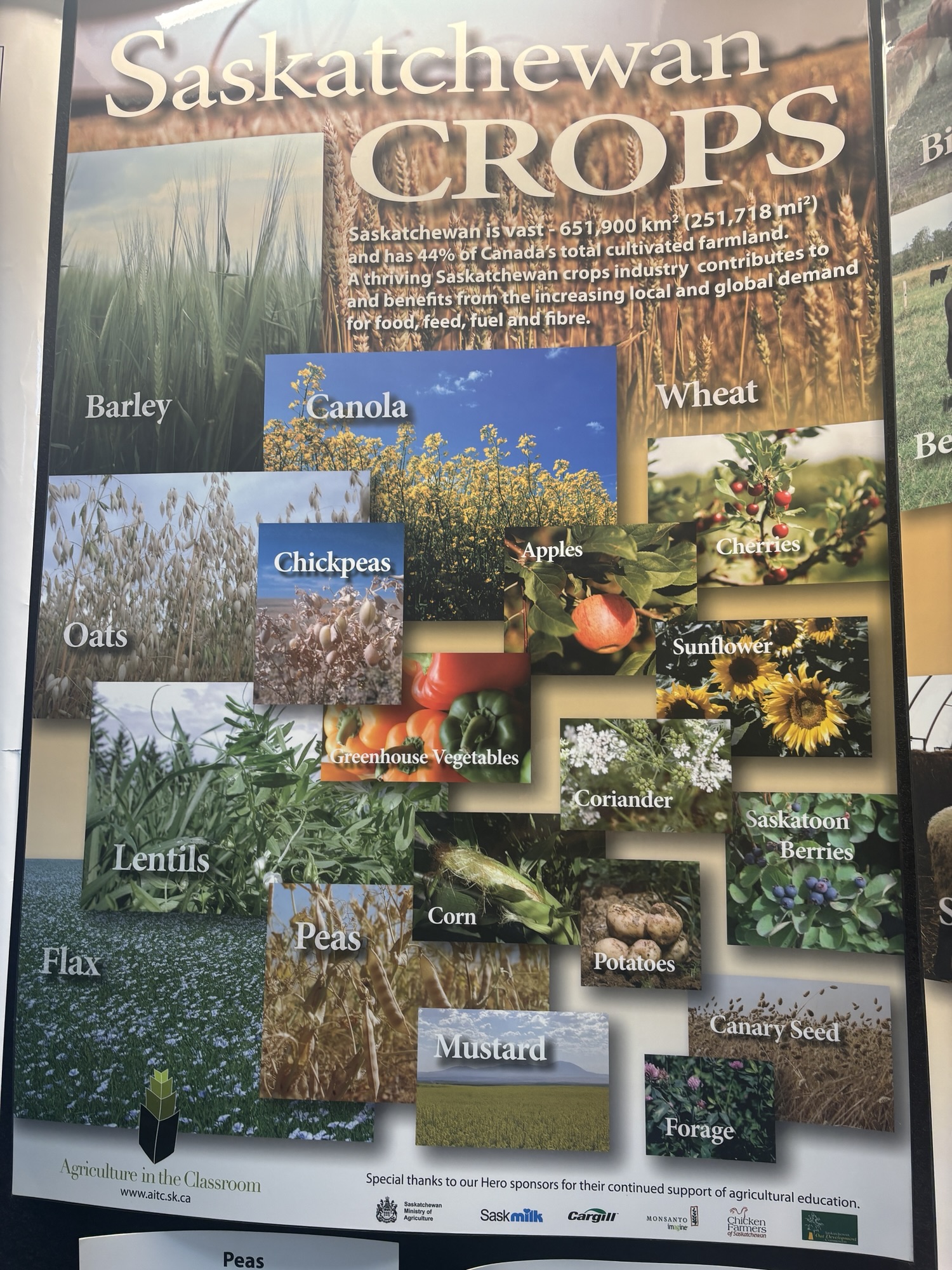
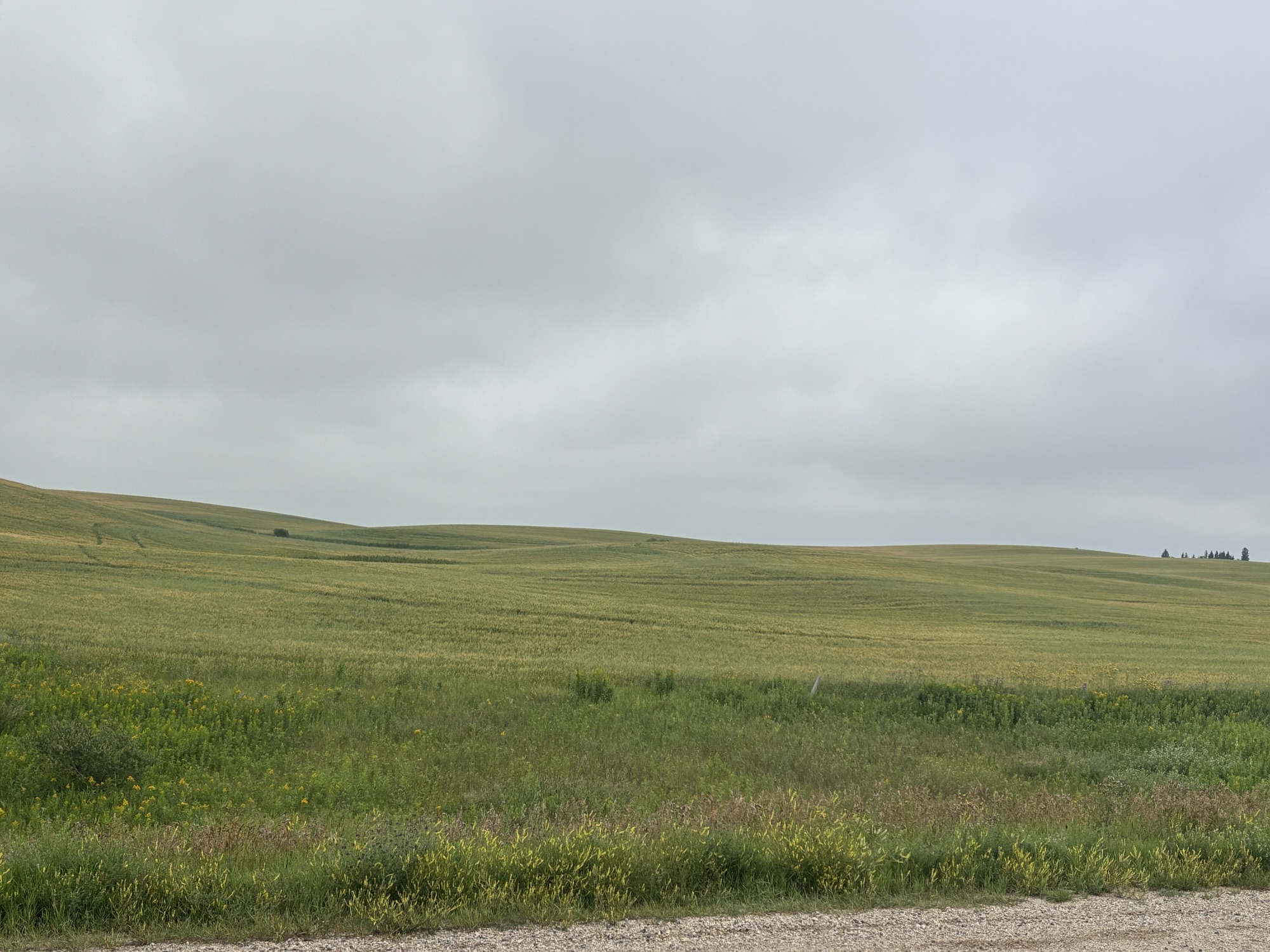
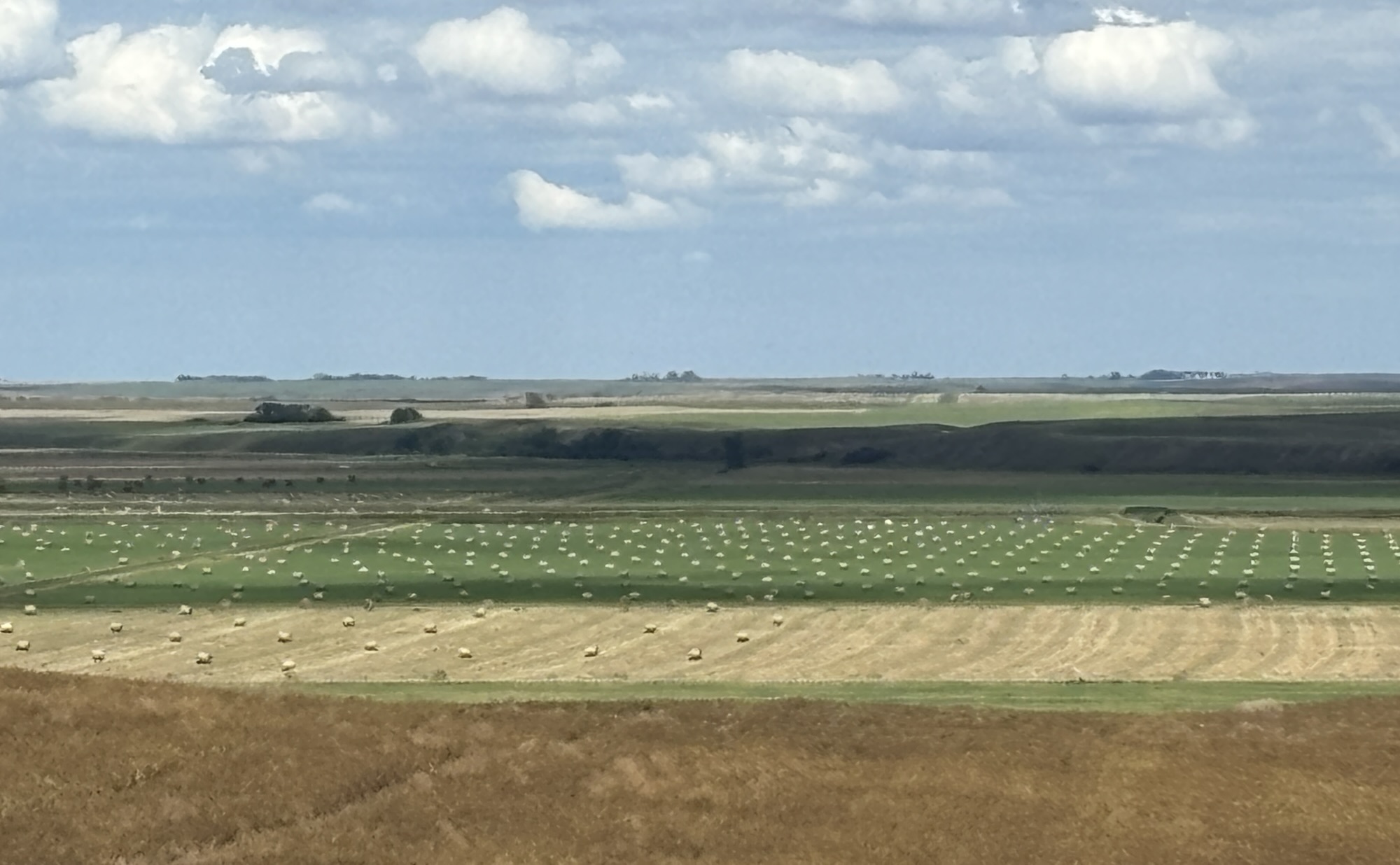
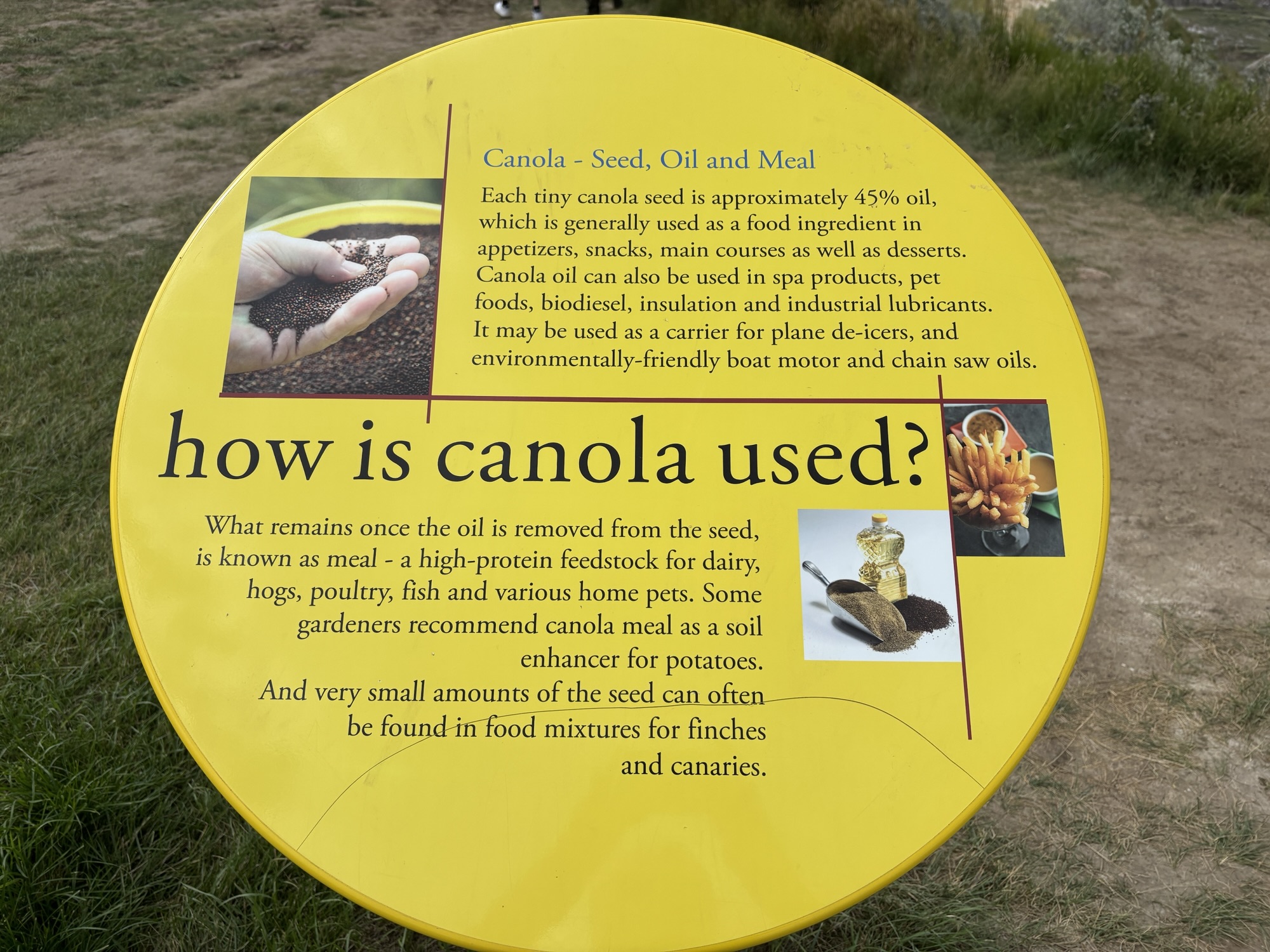
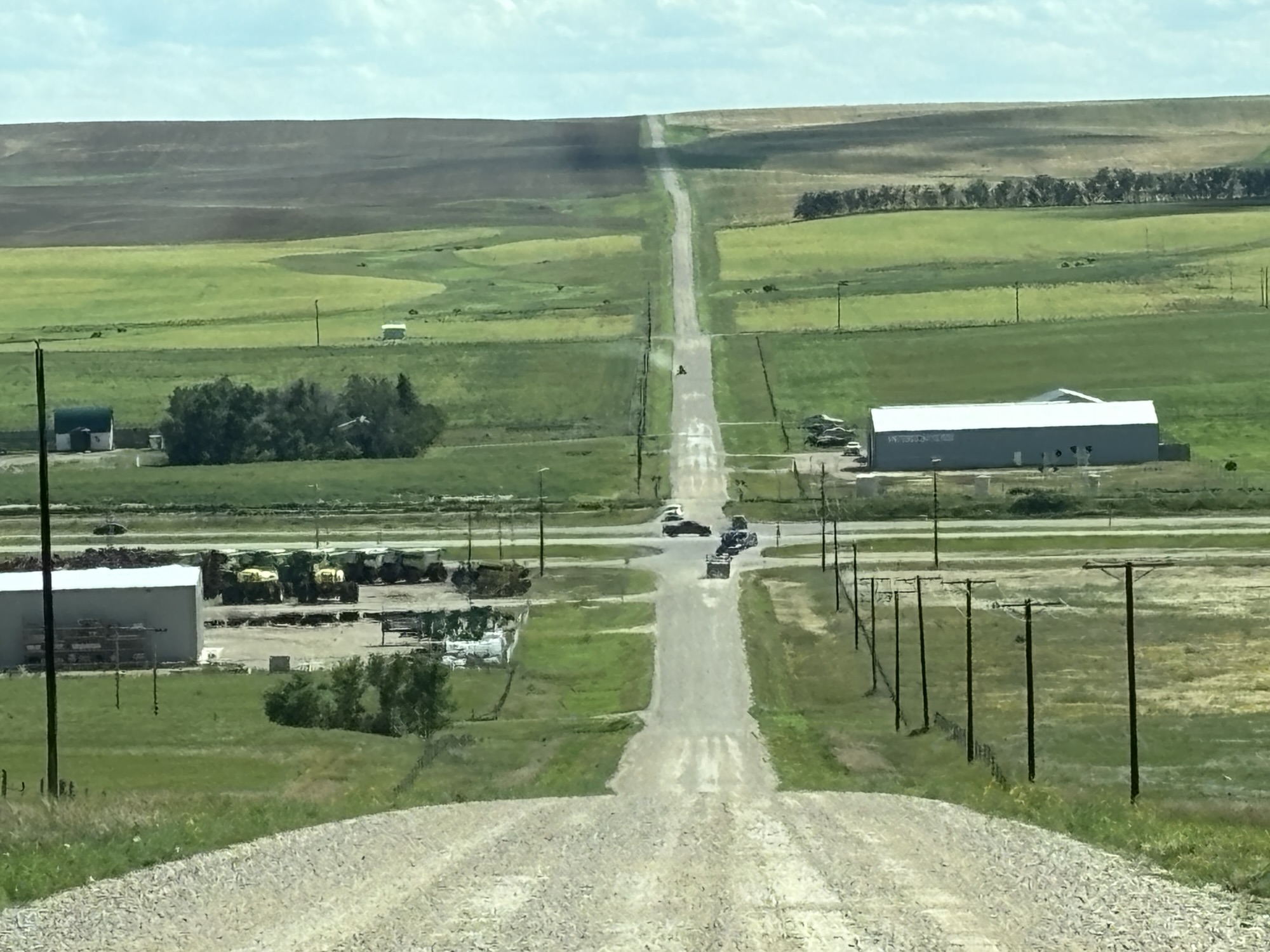
From Riding Mountain, we had one of our longest drives of the trip through the remaining western part of Manitoba and into Saskatchewan. There were straight stretches of highway and continuous fields (and I mean continuous!) of farming on both sides the highway and as far as the horizon! We didn’t know what was growing but were curious enough to do some googling and had a very interesting discovery.
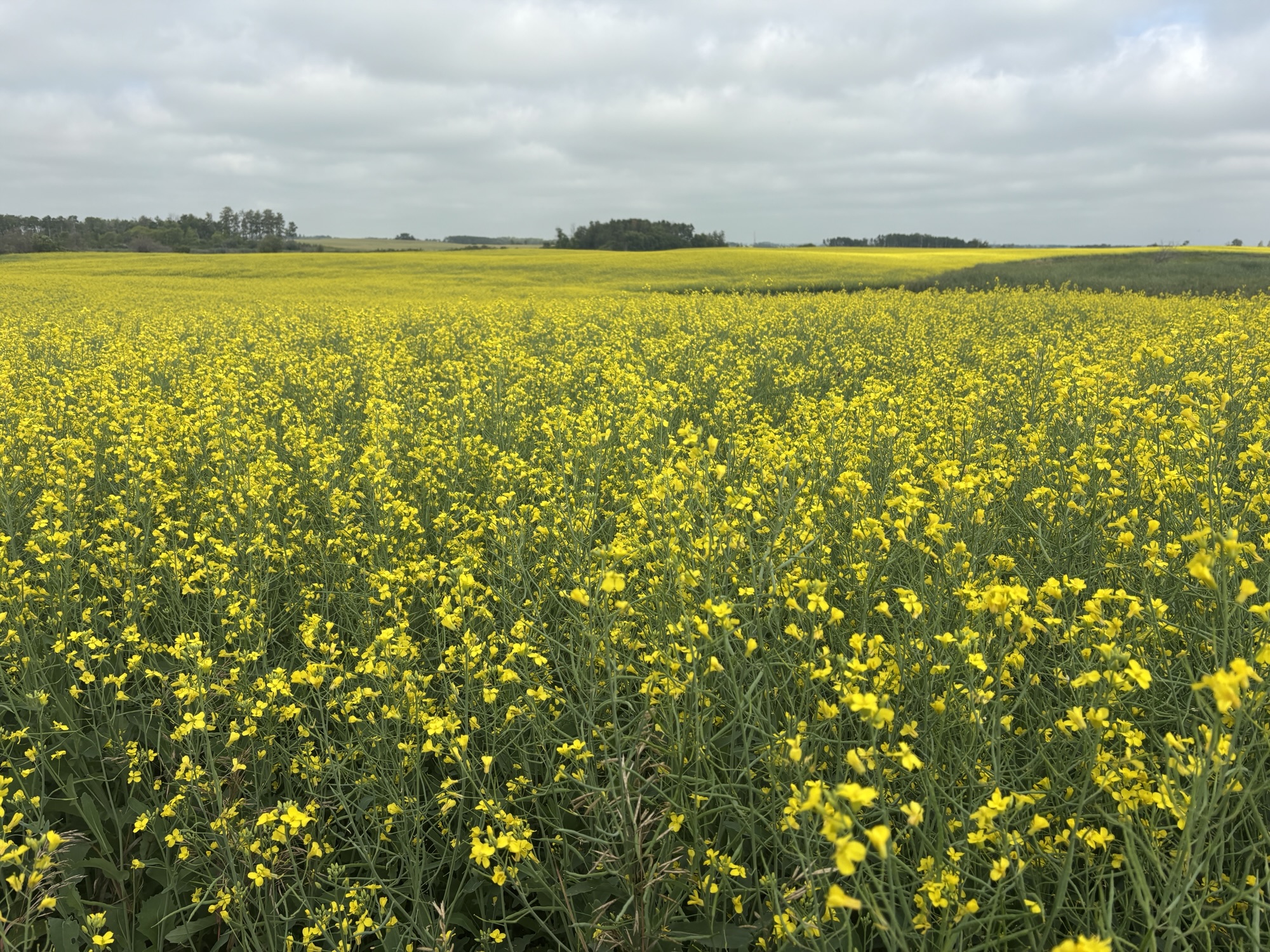
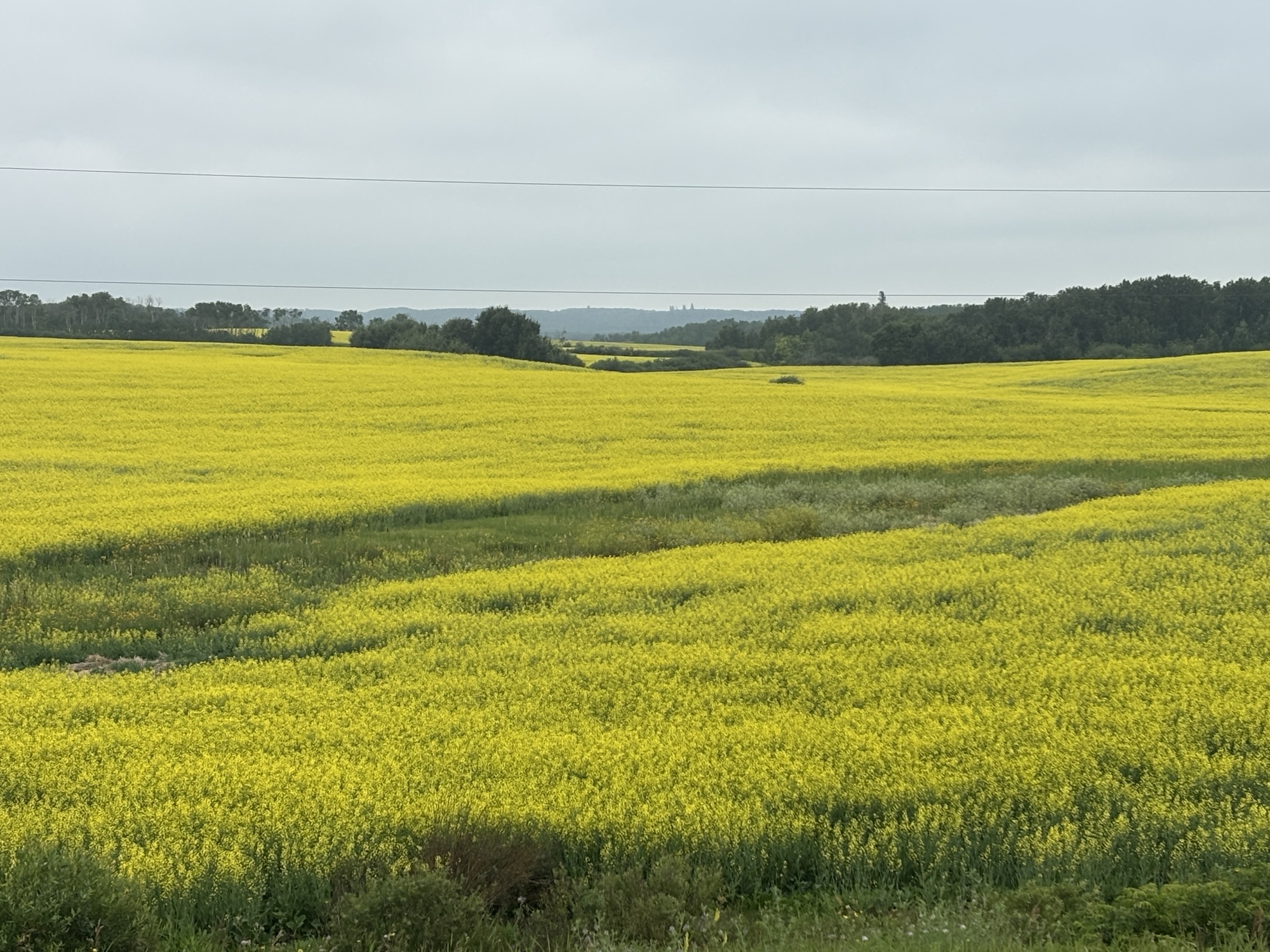
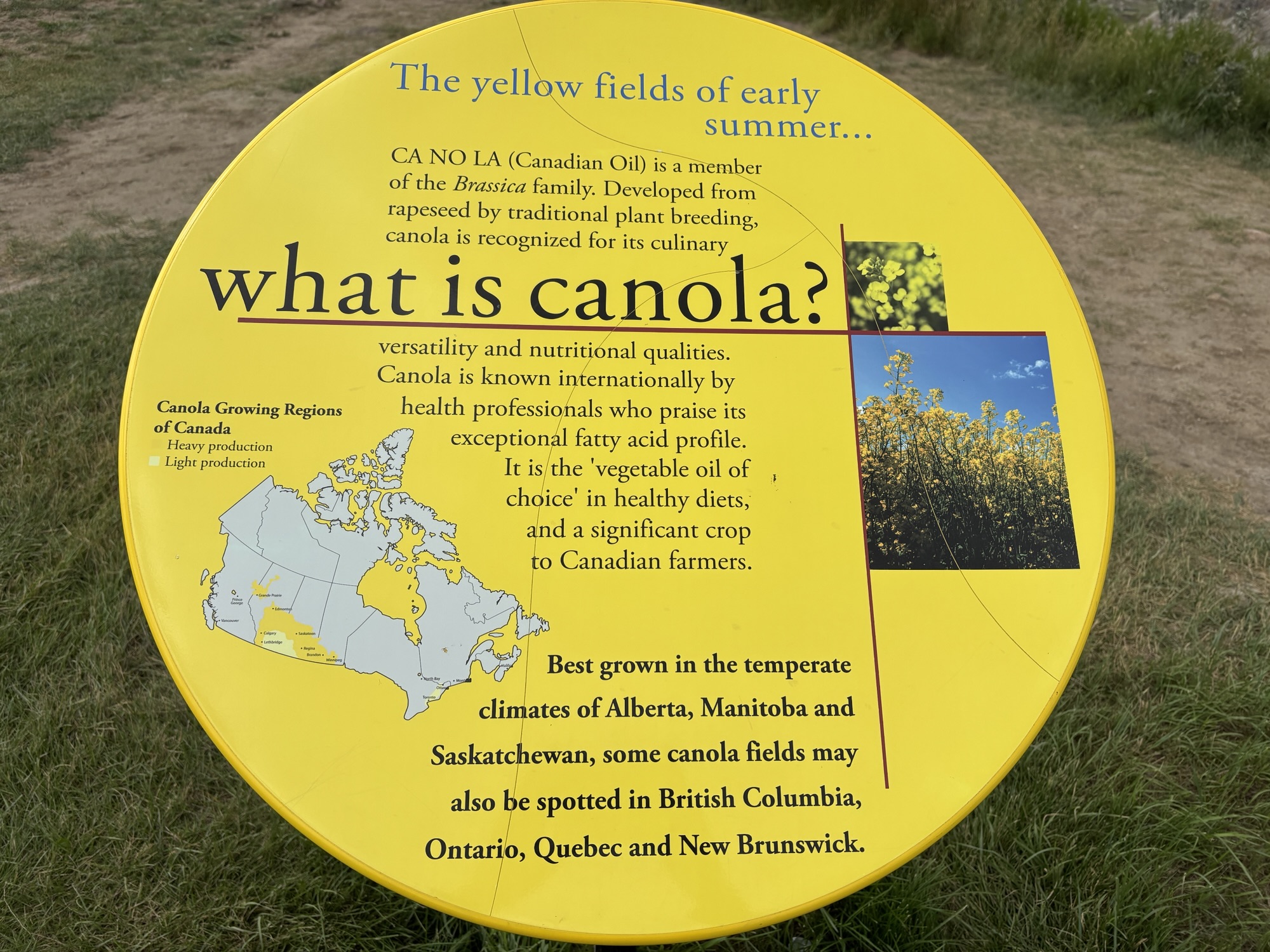
We found a list of about 10 crops that could be found in the area. But the main crops were 1) wheat and 2) rapeseed or more commonly called canola. The wheat was fairly obvious, but the rapseed/canola fields were a surprise and stood out as a brilliant yellow gold especially with the sun shining on them. We were blown away by the beauty of these fields and the expanse of the coverage! We could have taken 100 photos and there would still be no way to completely describe or show the views! So, we googled some more info. Amazing!
Interestingly, we learned that canola is the source of Canola Oil that we know today and comes from a strain of rapeseed that was bred specially to be healthier for cooking. It was developed as a purely Canadian product when the rapeseed market (which had primarily been used for lubricating oils) softened after World War II. The common word we use today is a combination of “Can-o-la” and stands for “Canadian oil, low acid”. It’s a very interesting story. And we would see these fields for miles on into Alberta intermixed with other crops!
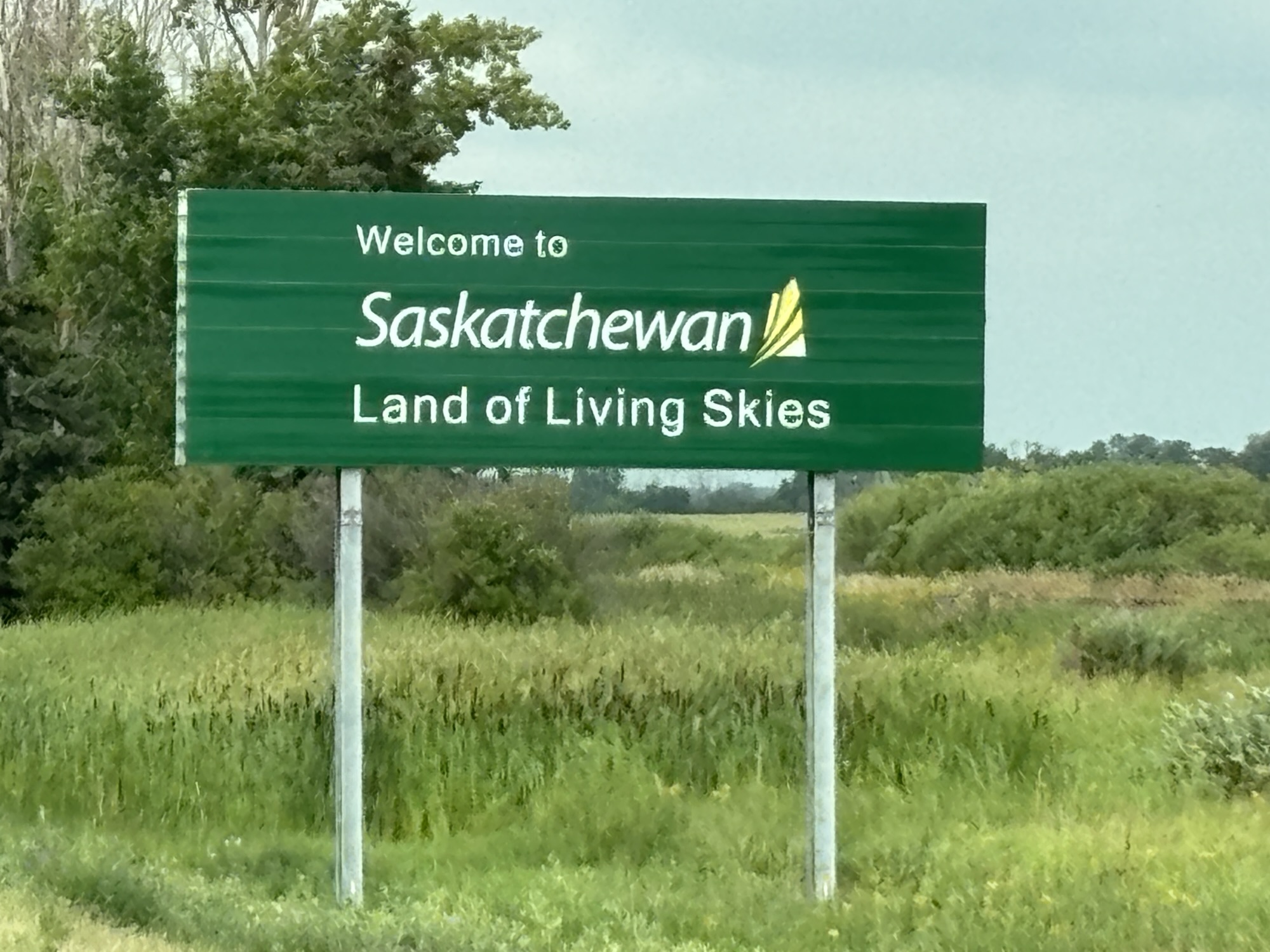
We crossed into Saskatchewan and on to our campground which was right on TCH 1 on the east side of Regina, the capital of the province. We didn’t really have any specific plans but discovered a few places to check out on our one day there.
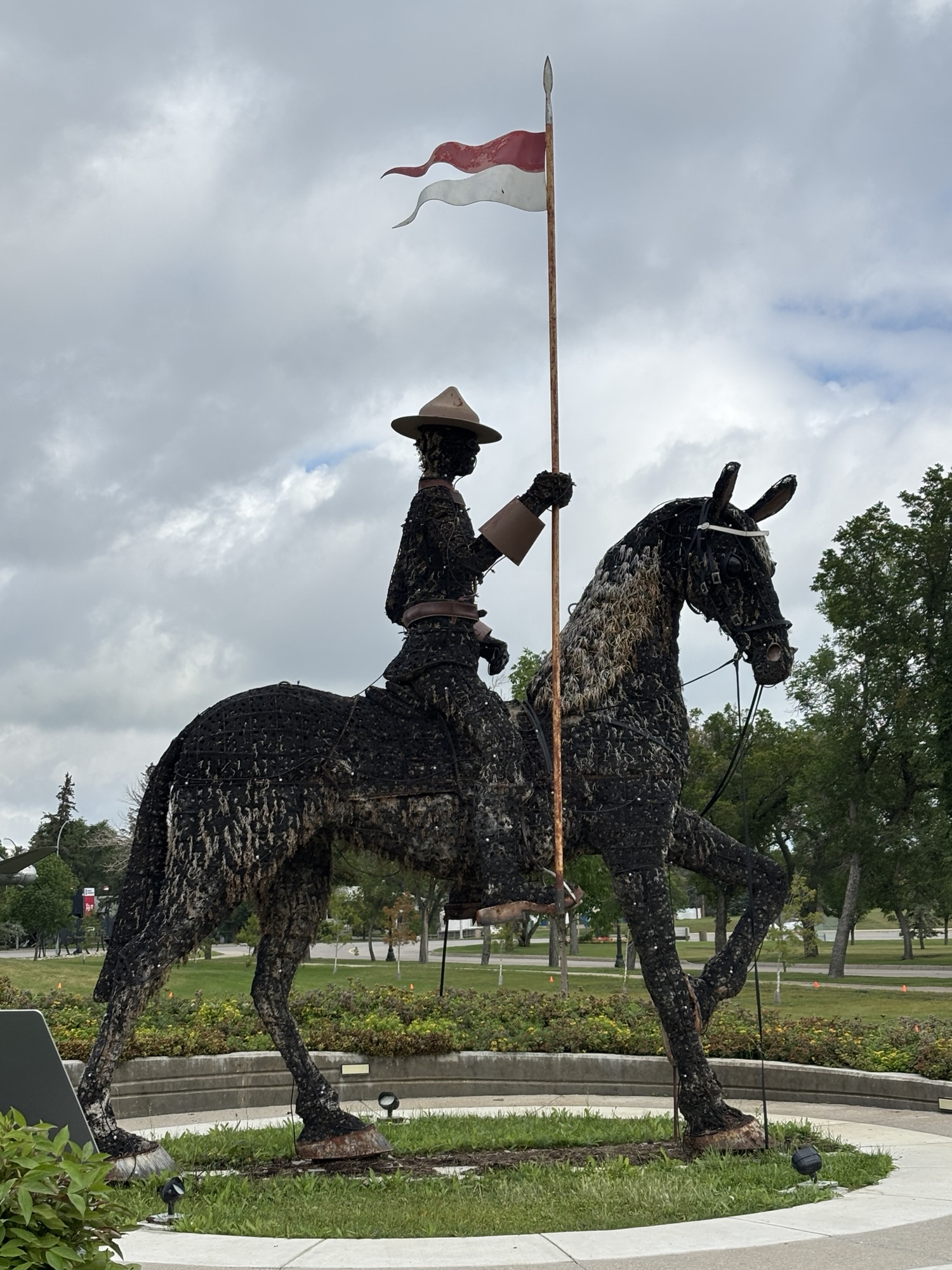
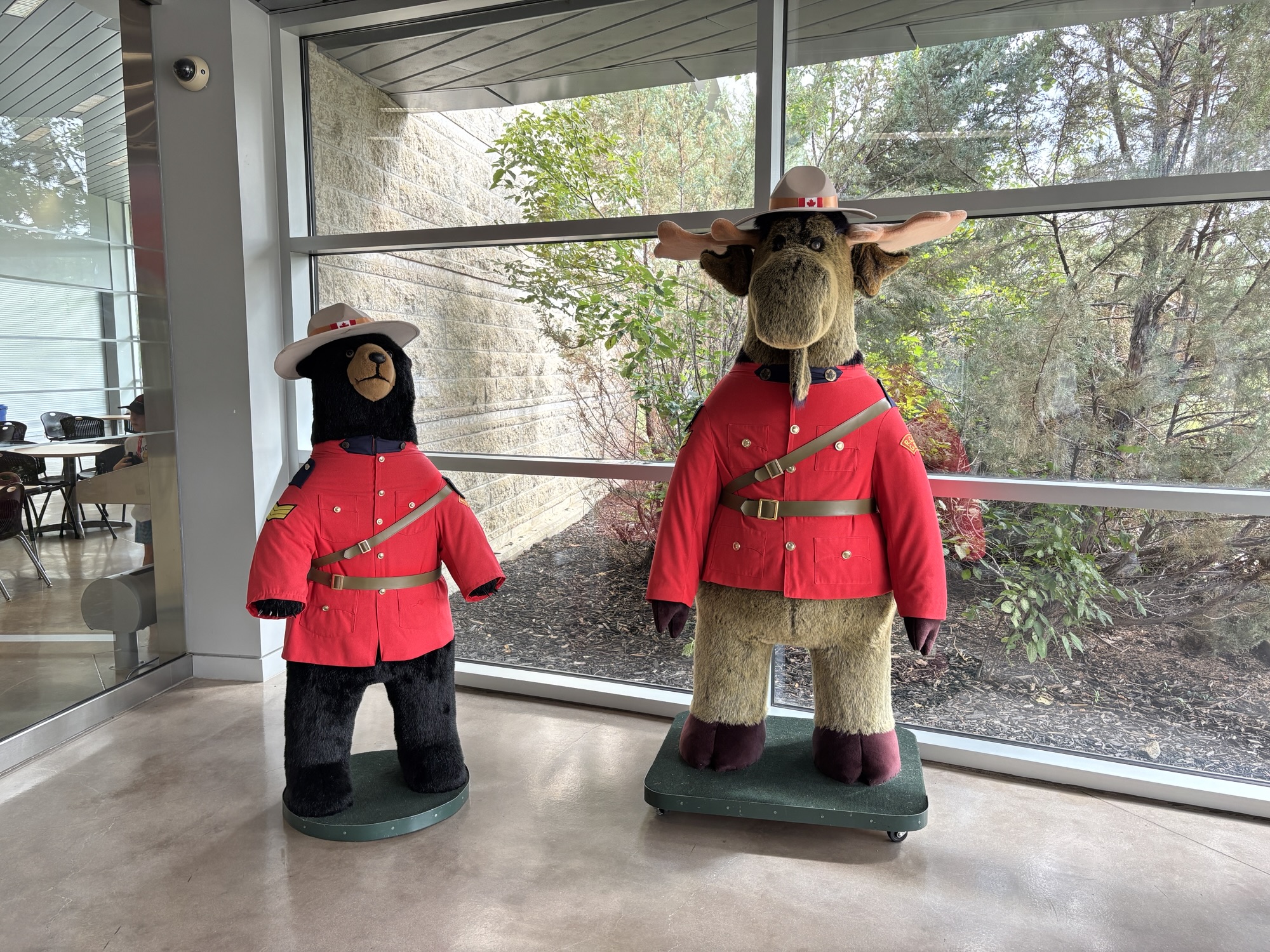
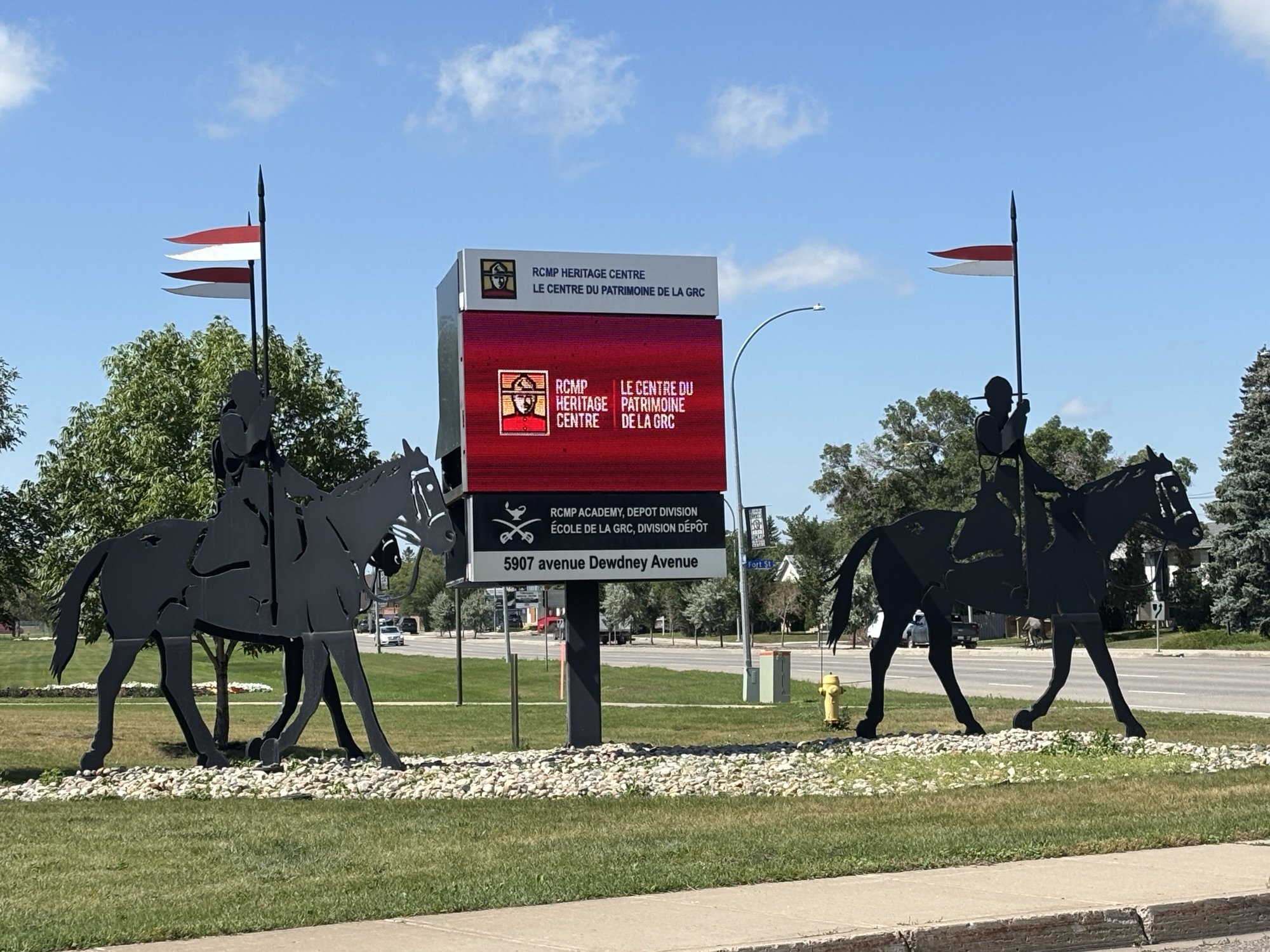
Regina is the capital of Saskatchewan and since we missed seeing the capital in Winnipeg, we decided to do the free tour of the legislature building here in Regina and to visit the RCMP Heritage Center Museum.
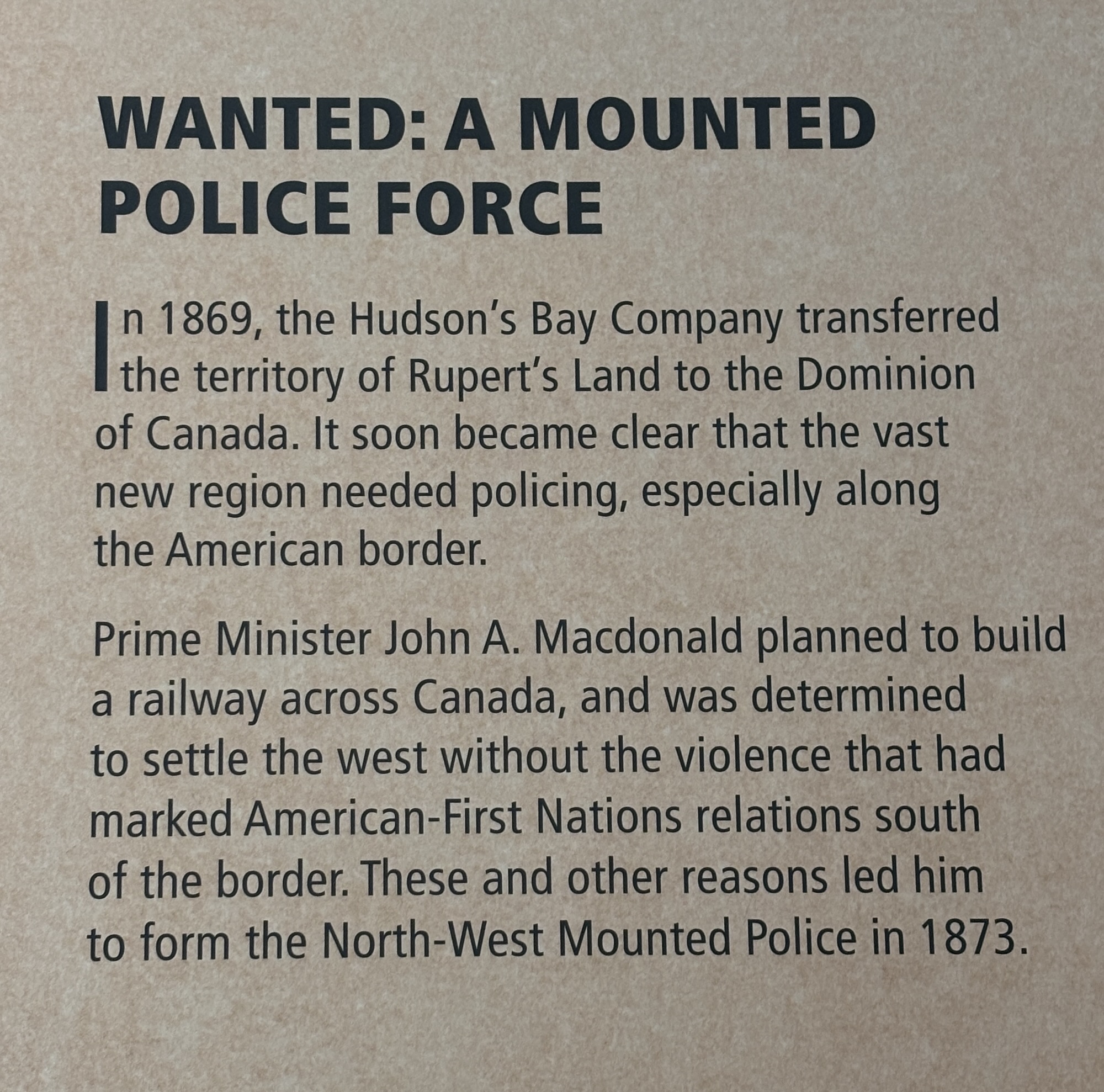
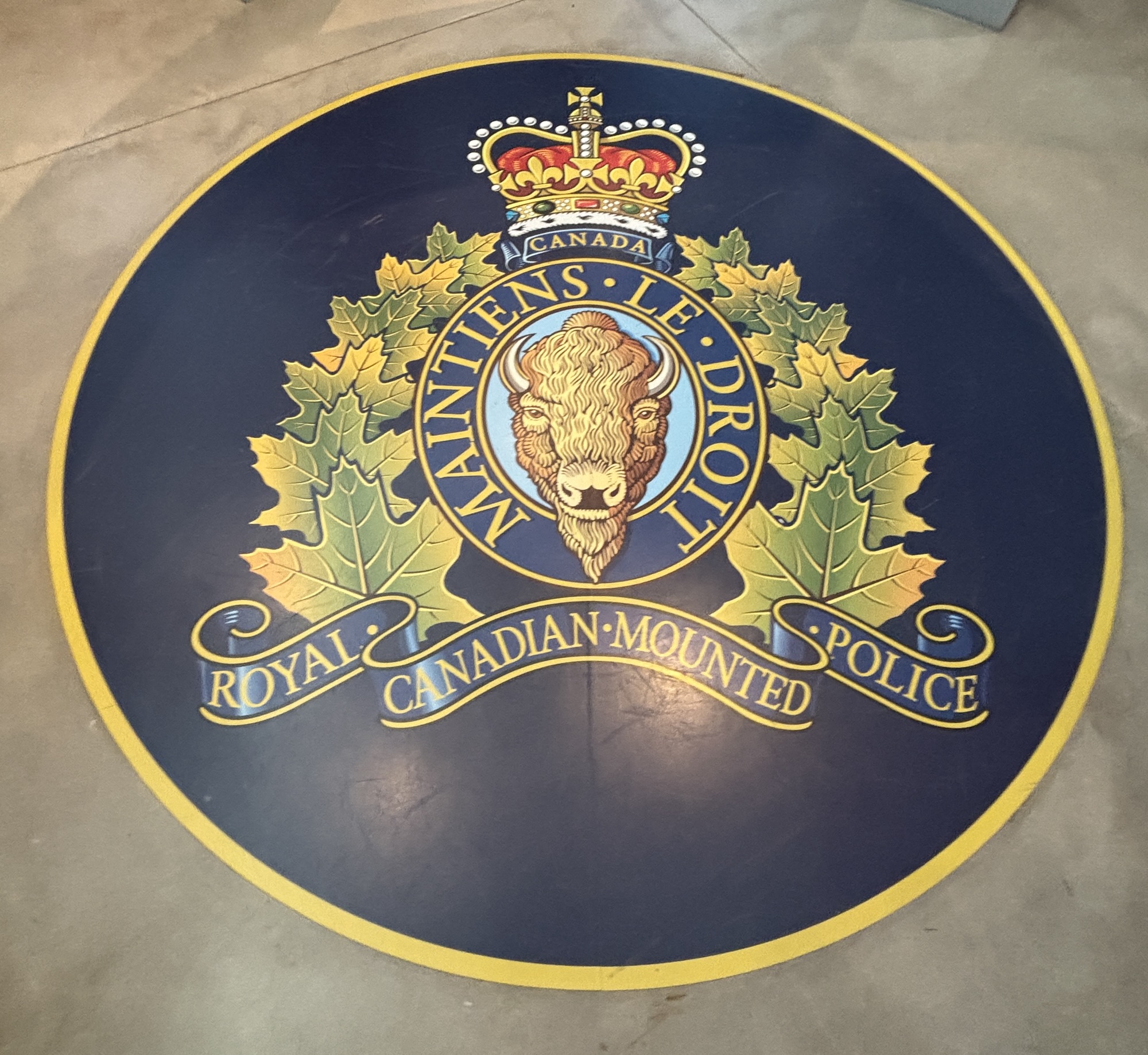
The Royal Canadian Mounted Police (RMPC) began in the Northwest Territories of Canada as the Northwest Mounted Police. The museum tells their story from their beginning in 1873 through to the current day. They have over 20,000 officers throughout Canada and all of them go through a 6-month training at the facility in Regina. Larger municipalities have their local police, but in addition to being the national police force, the RCMP also act as the local police in many remote areas.
King Edward bestowed the “Royal” designation in 1904 (Royal Mounted Police) and in 1920 they became the Royal Canadian Mounted Police. Very informative.
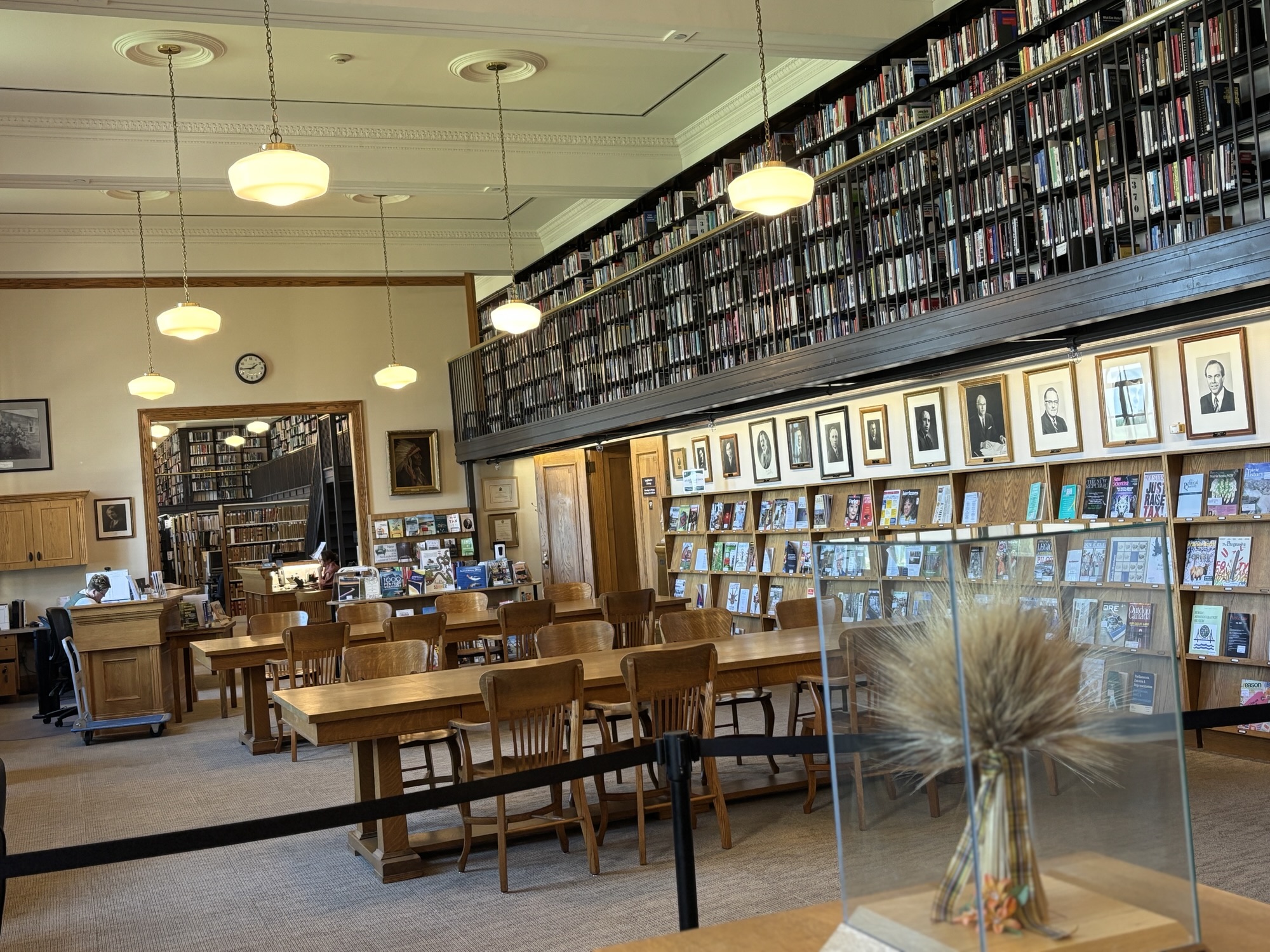
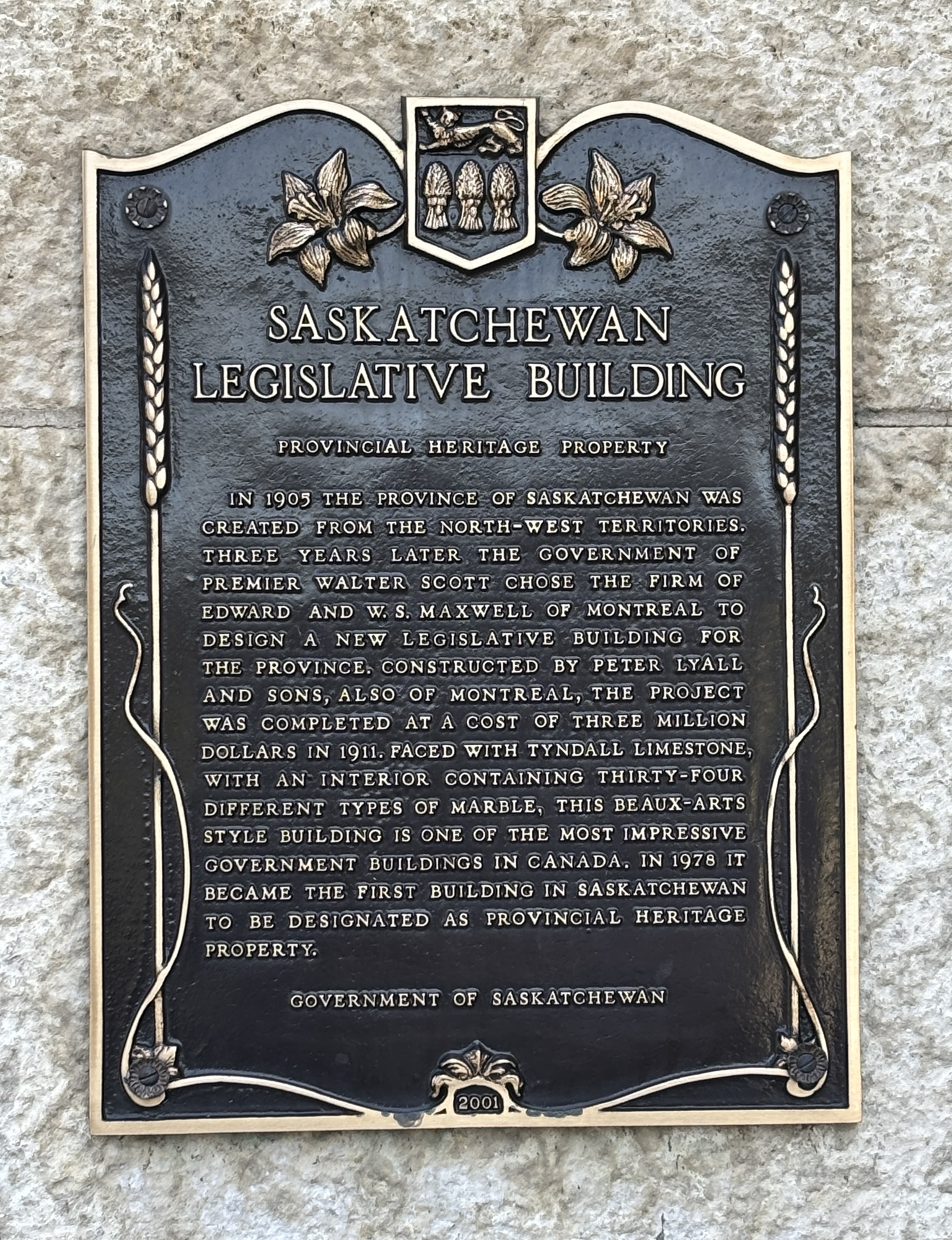
We then headed downtown to the legislature building. Saskatchewan became a province in 1905, and the building was built between 1909 and 1912. They only have 1 legislative body, and they move the desks around as needed depending on who is the majority party after an election. The tour included the rotunda, the actual house chambers, the library (open to anyone for research), and photo galleries. They have a portrait of all the past Saskatchewan premiers and all past lieutenant governors. The premier’s paintings are done when they first enter office, and the premier can choose the artist and setting for the painting. However, they do not hang them in the gallery until they leave the office.
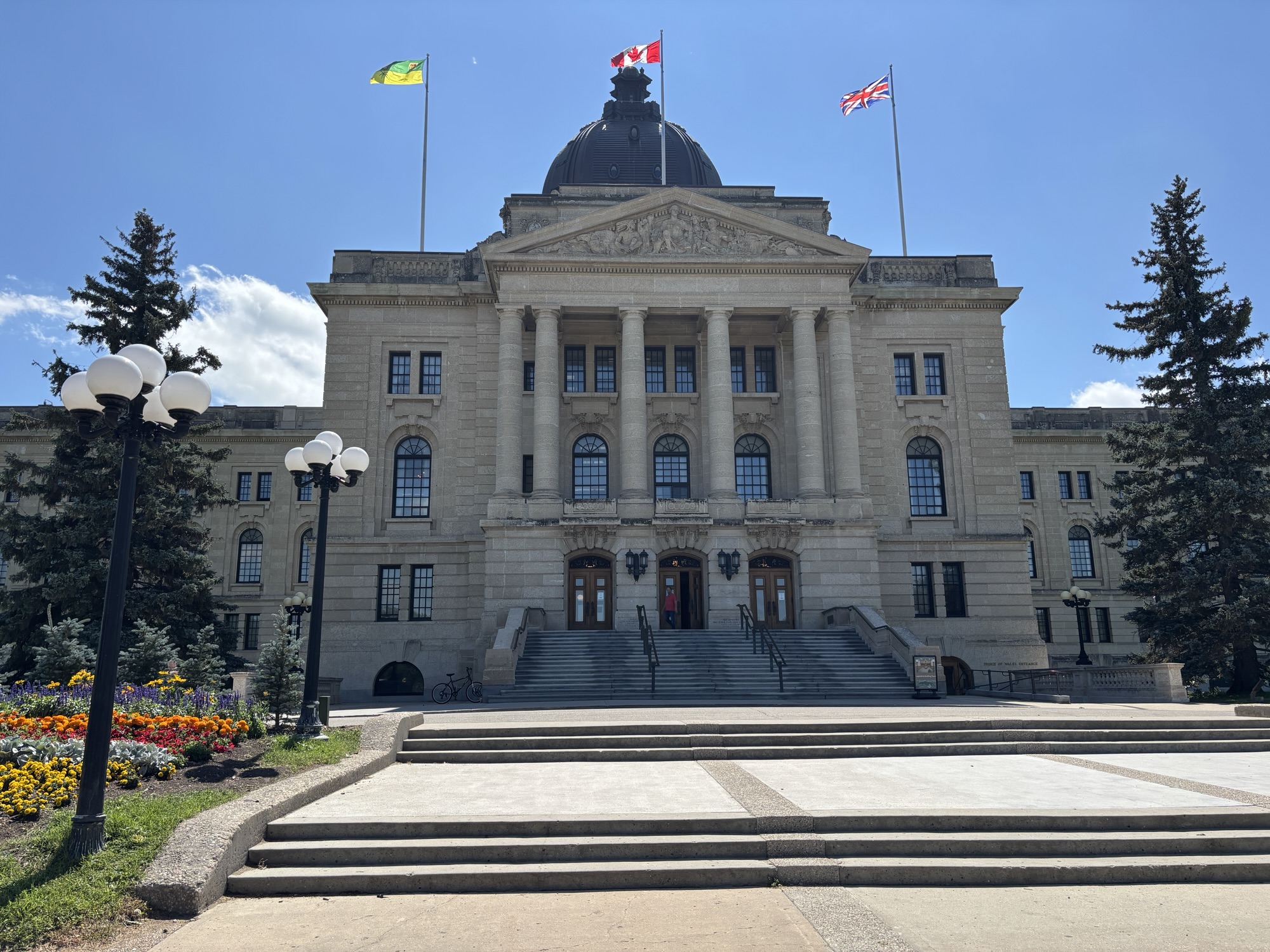
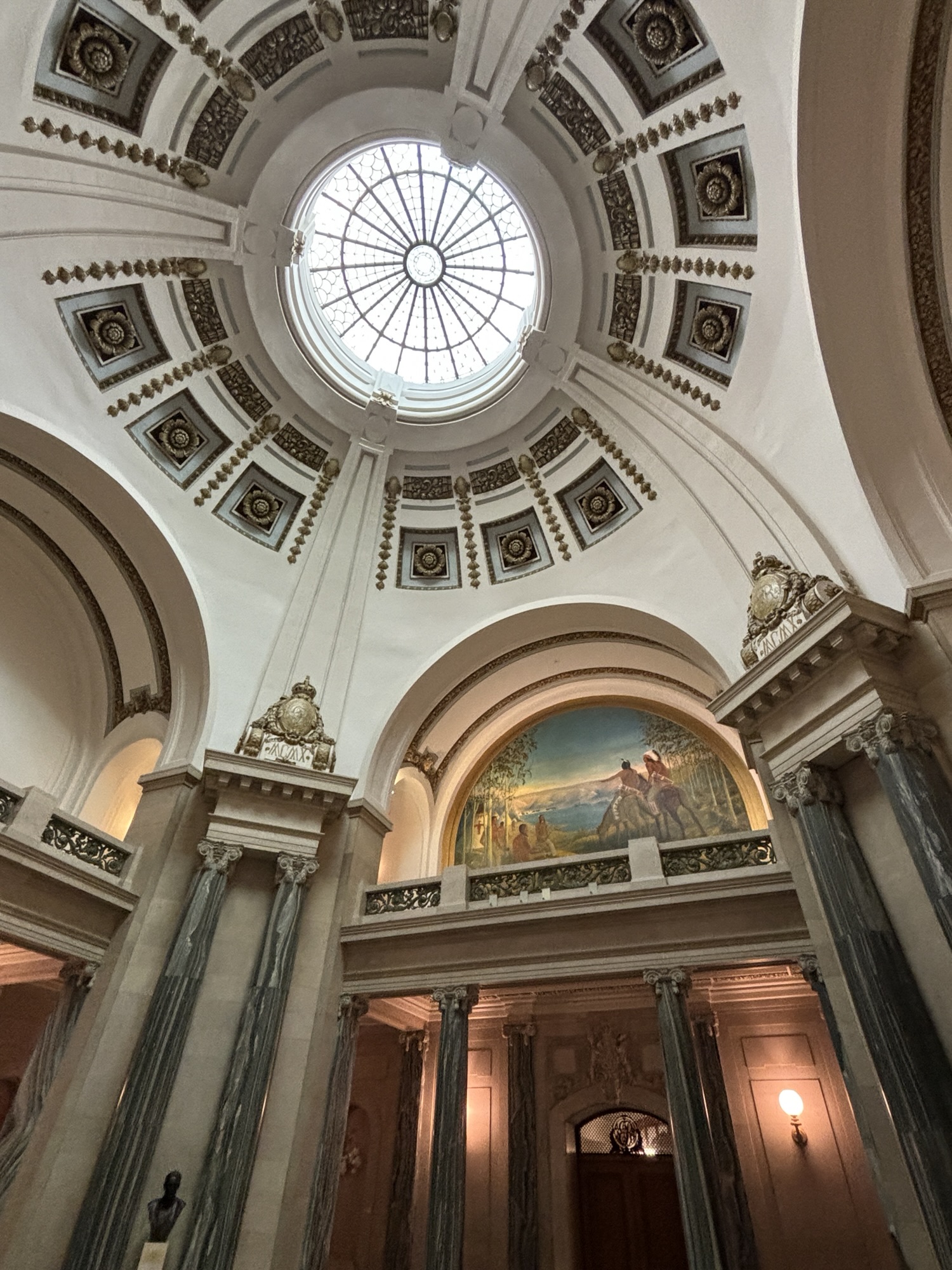
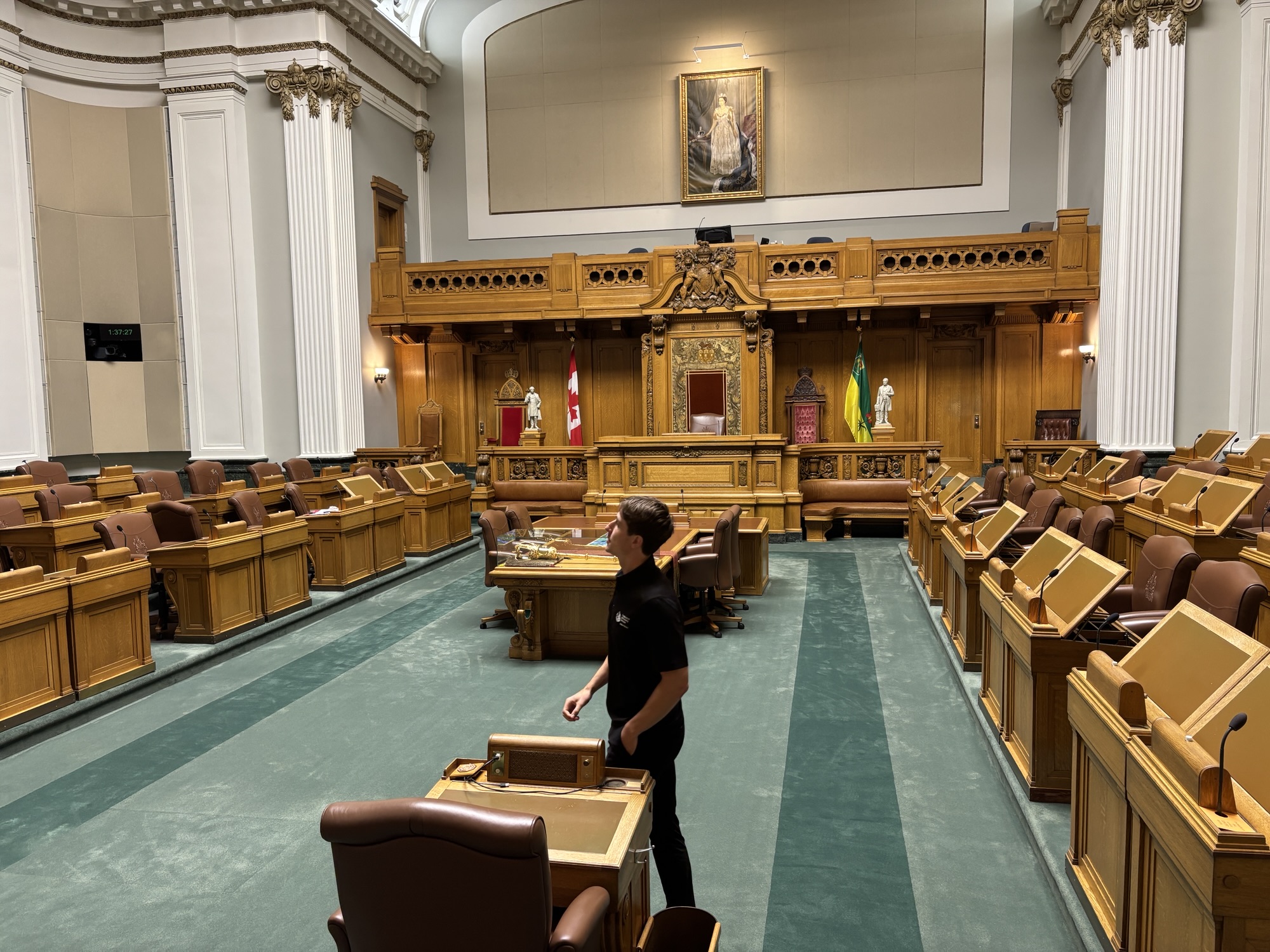
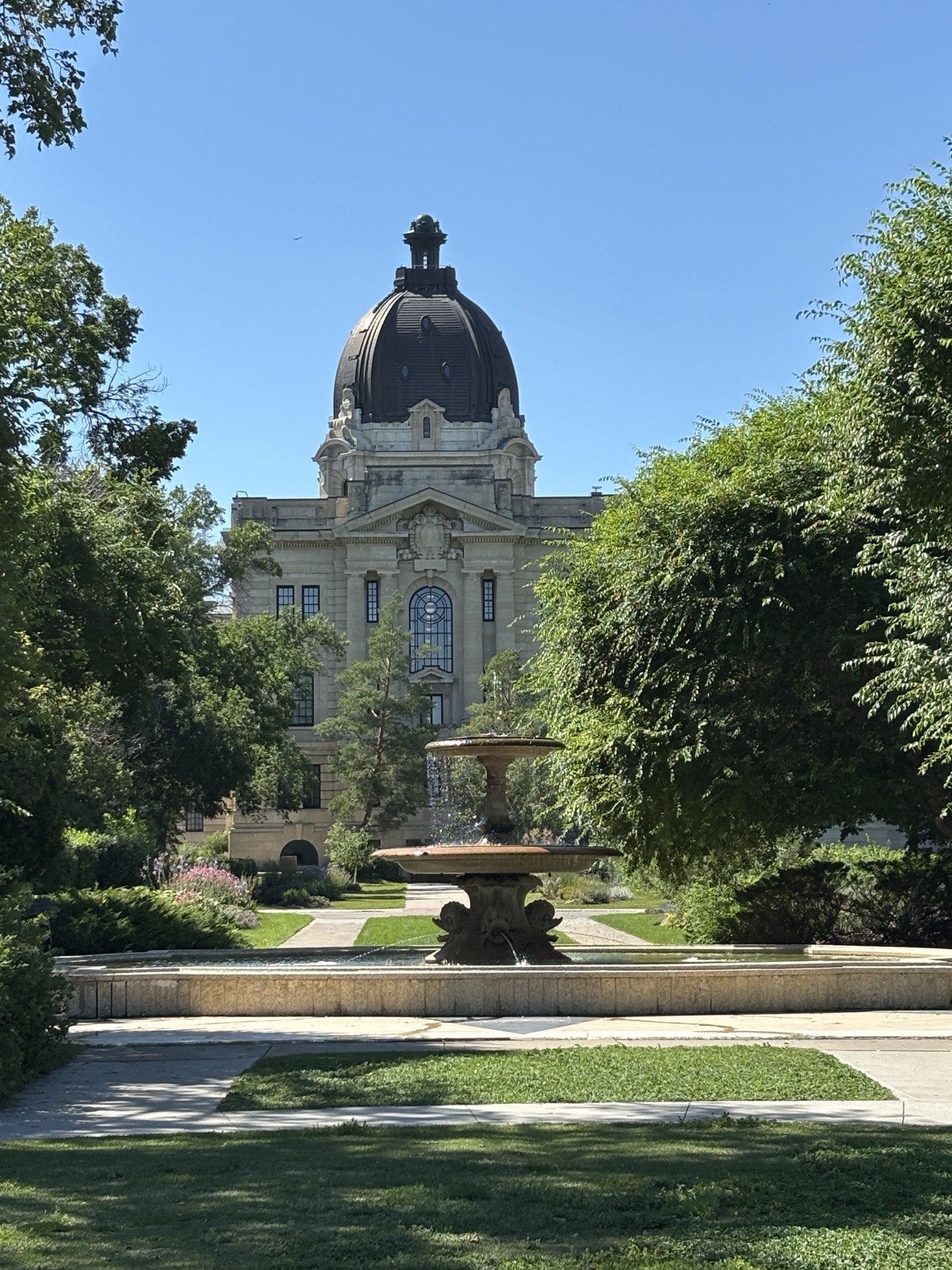

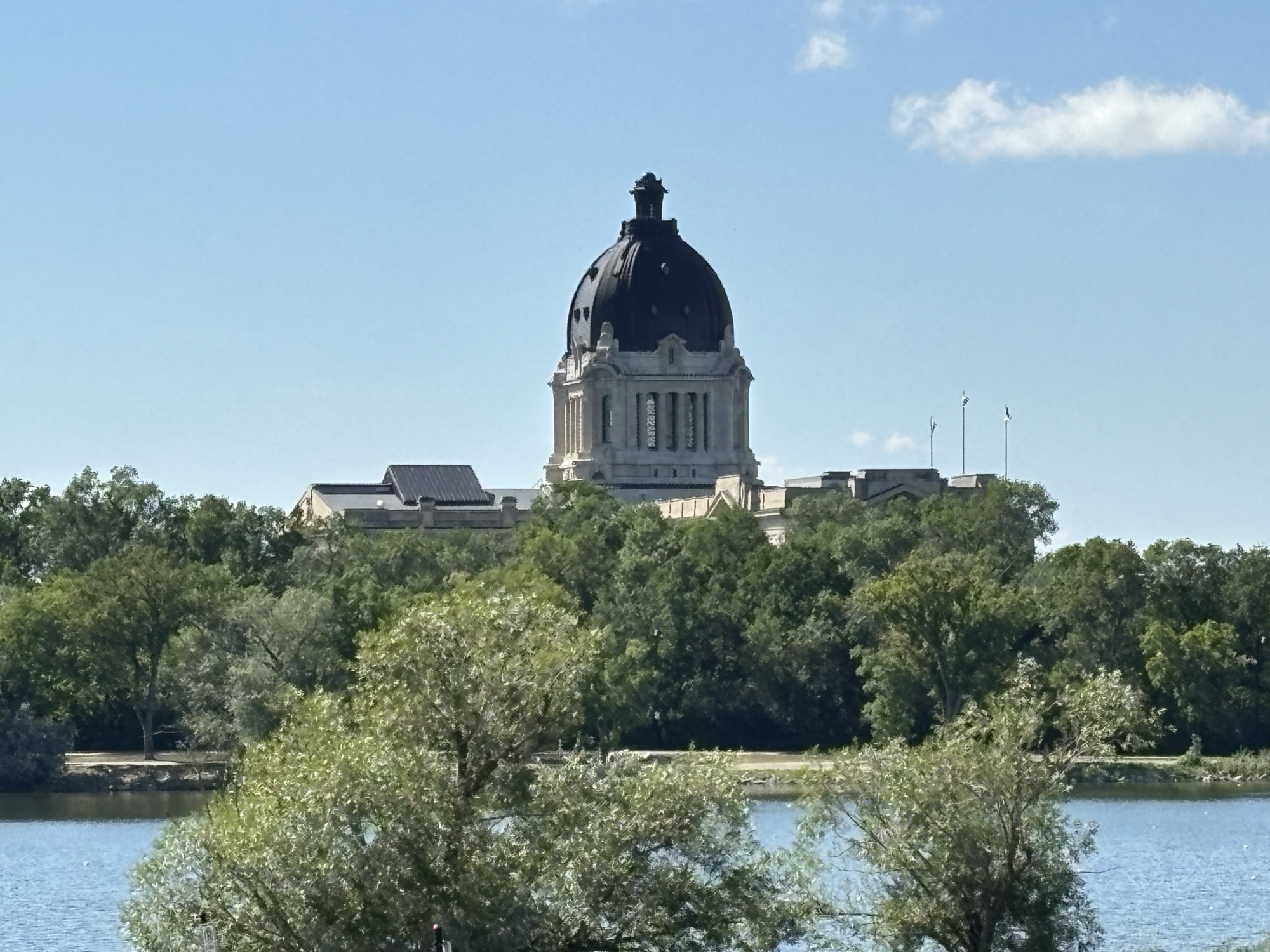
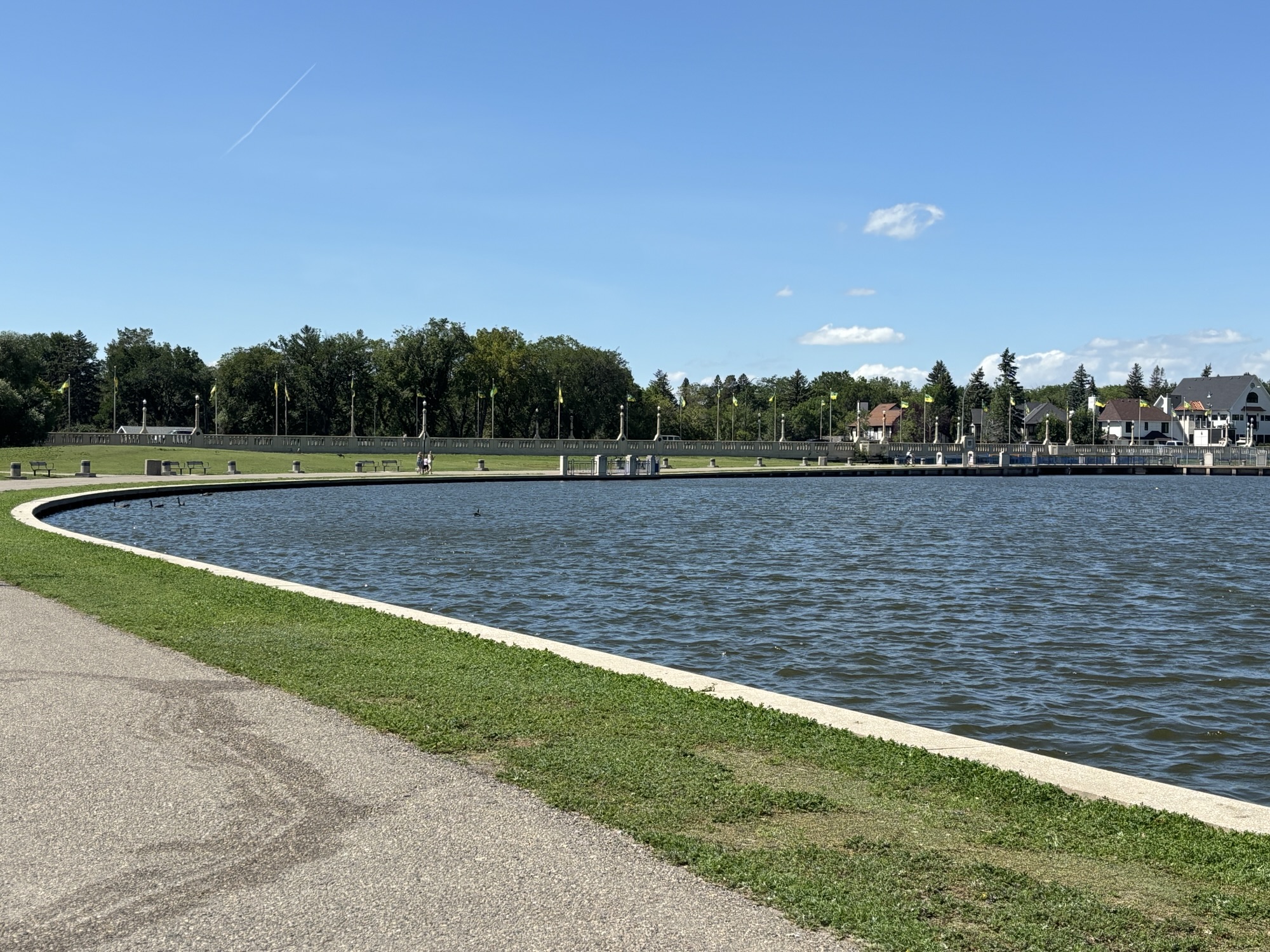
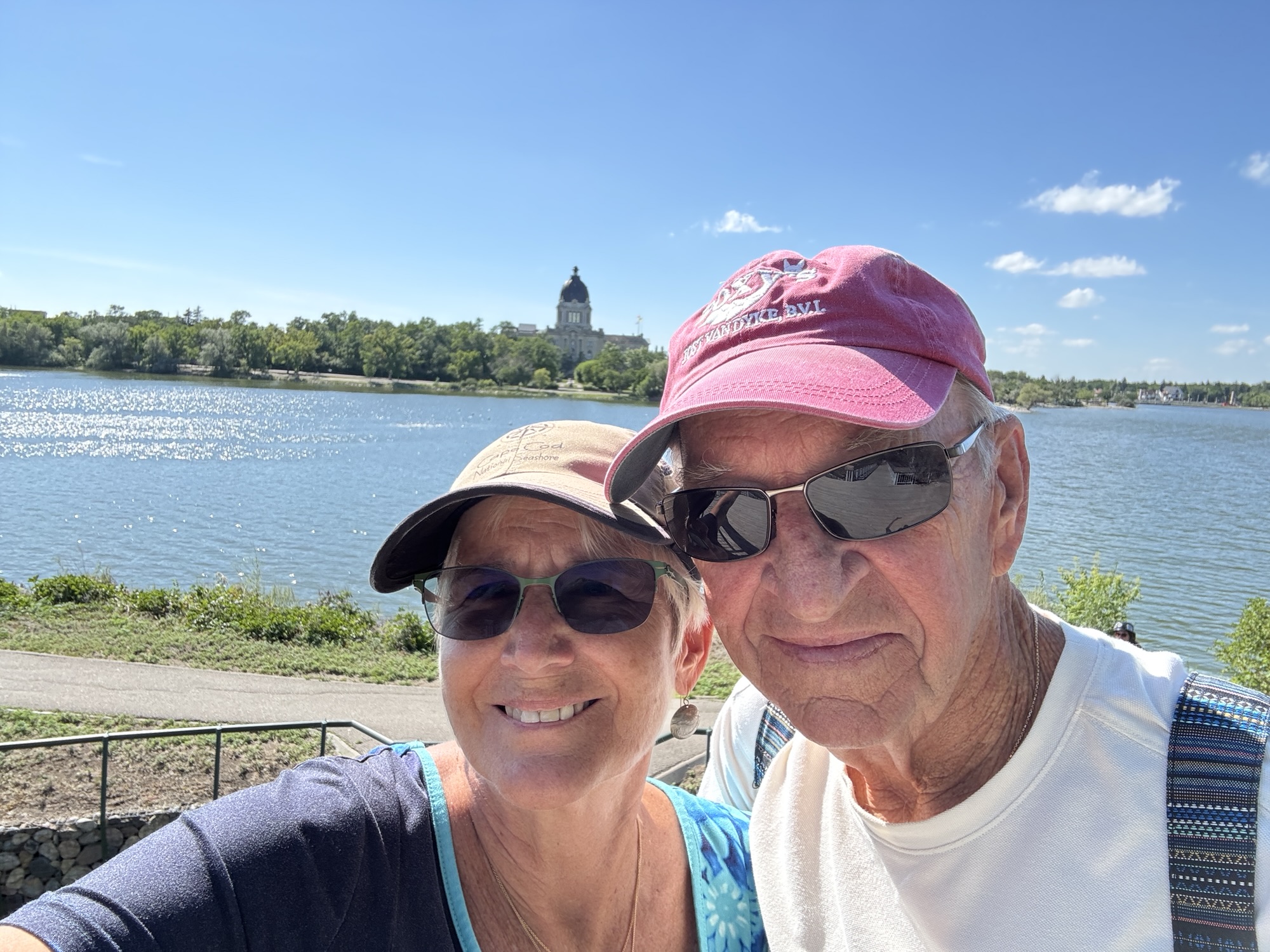
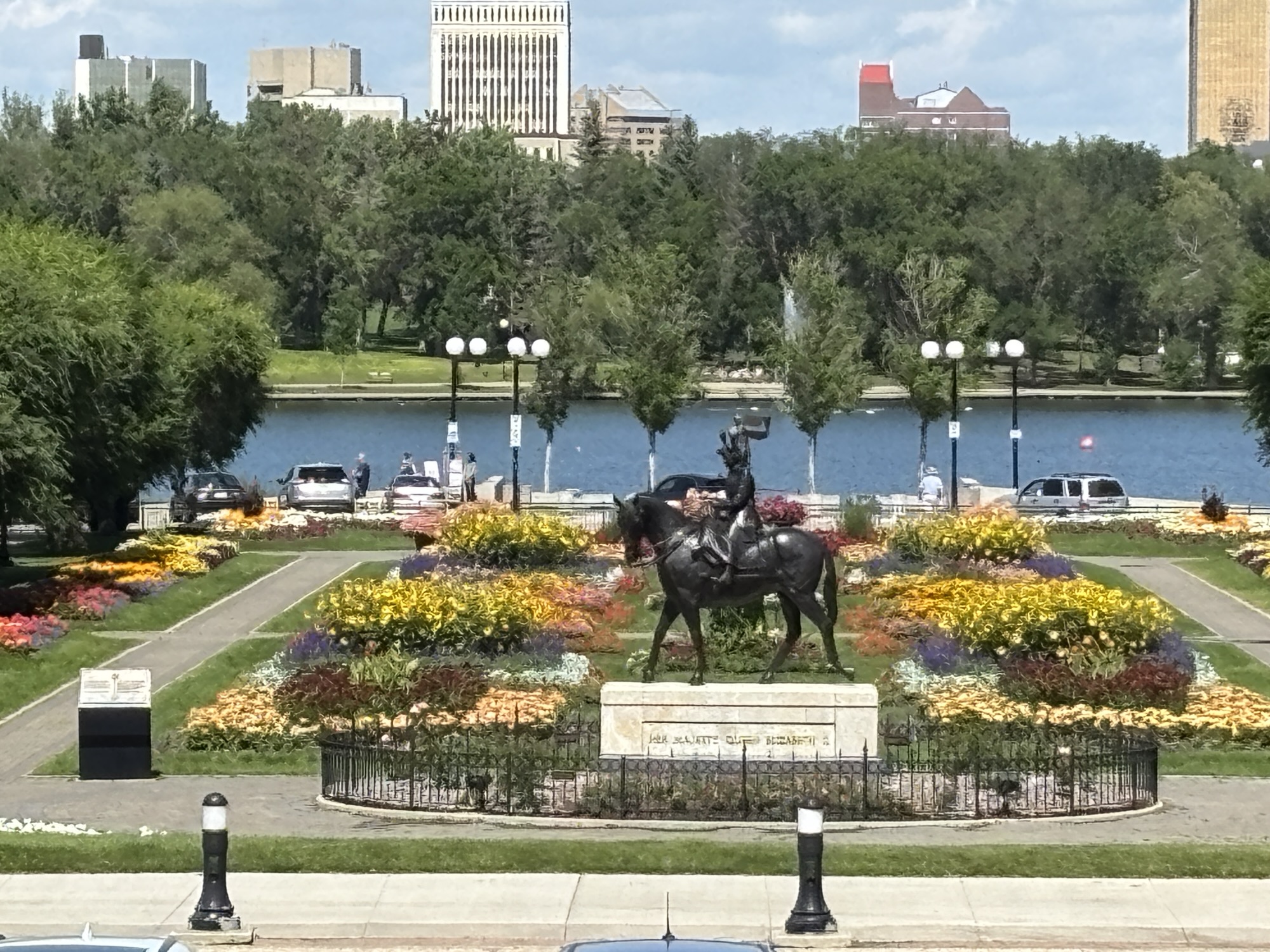
There is a Queen Victoria Garden in front, and it is between the legislative building and Wascana Lake. It is part of Wascana Center – over 2200 acre park. It is one of the largest municipal parks in the world (almost 3 times the size of Central Park in NYC). We walked through the park and had lunch at the Bar Willow Eatery on the Lake. A really beautiful scene.
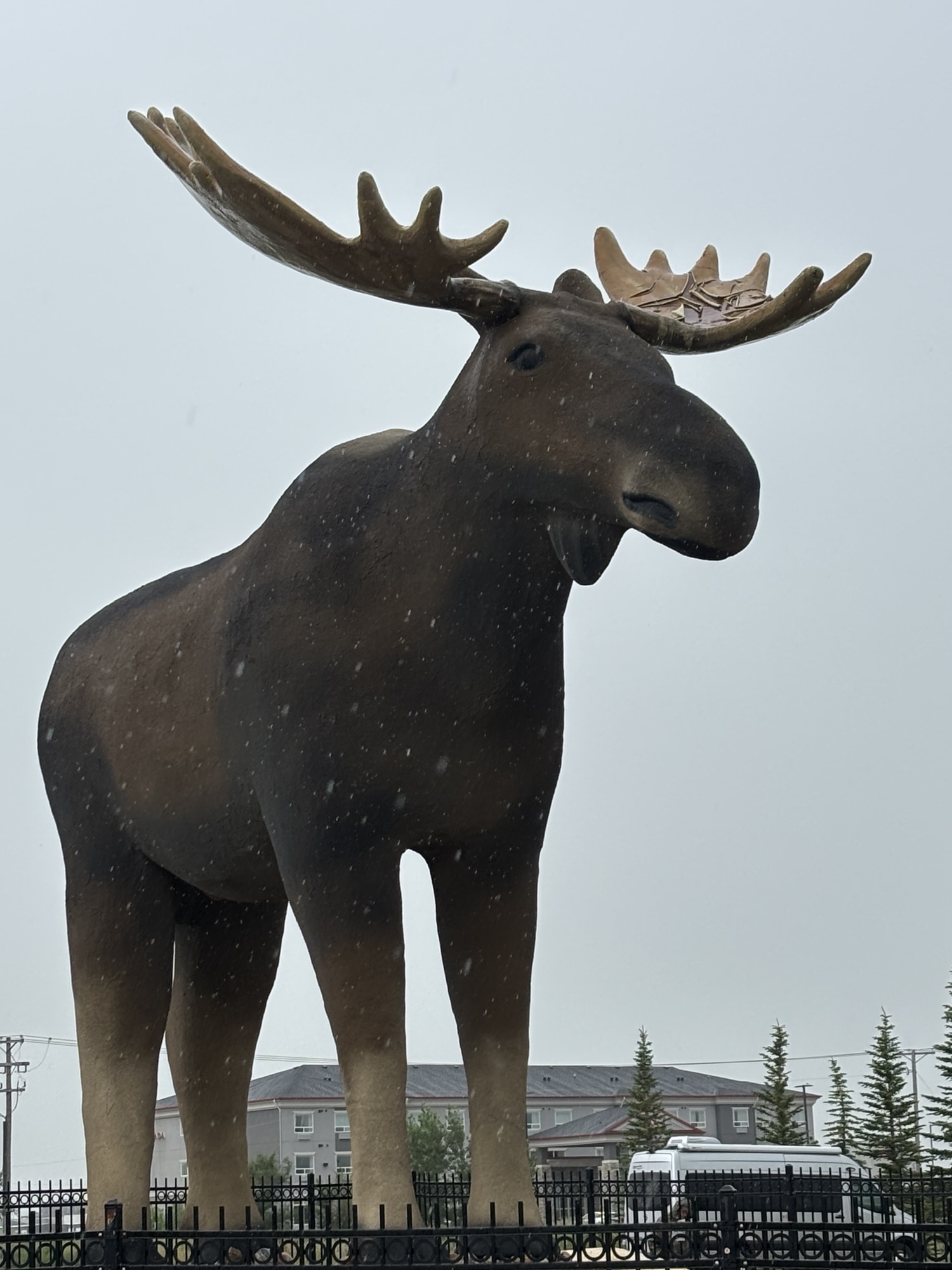
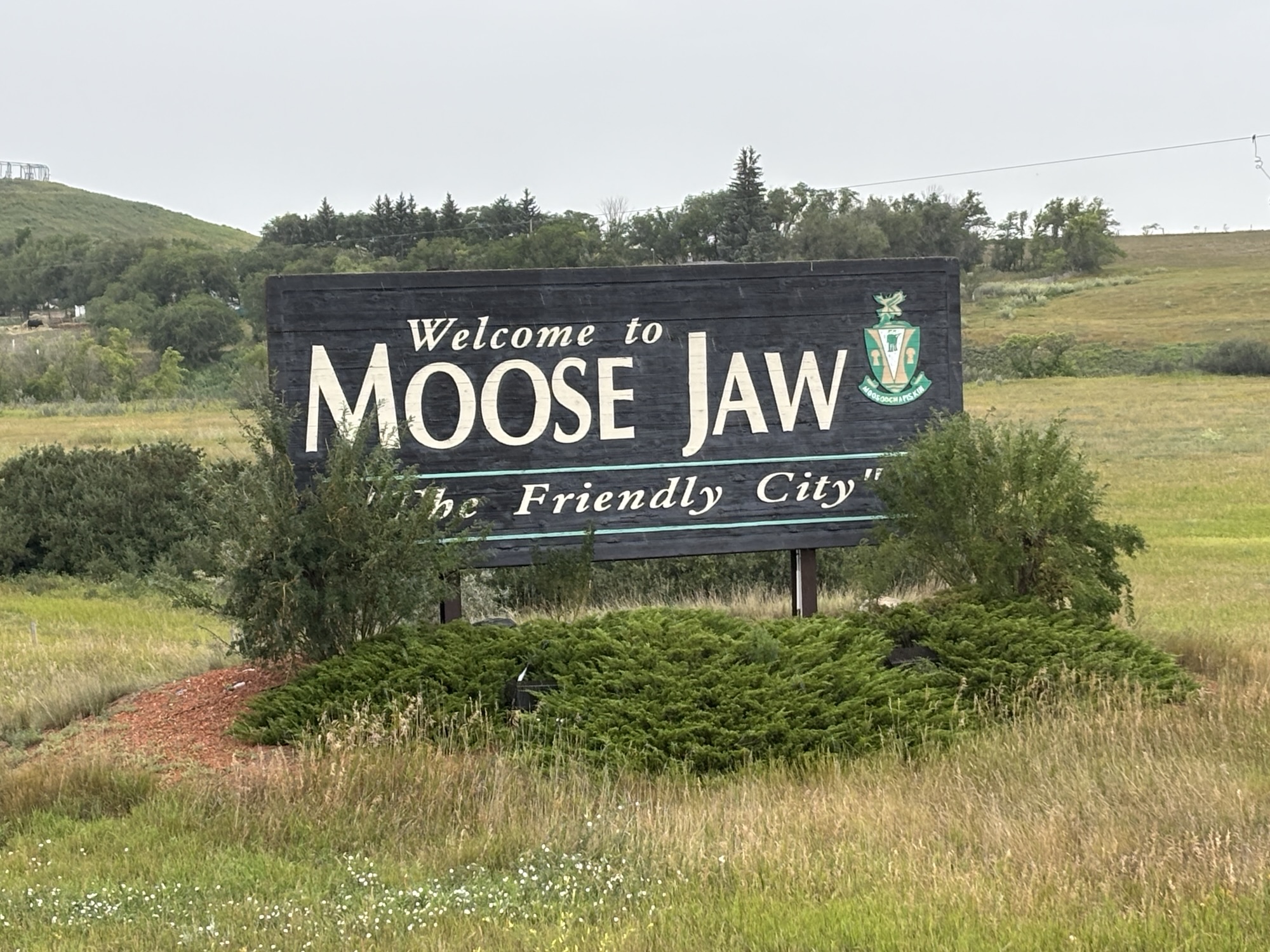
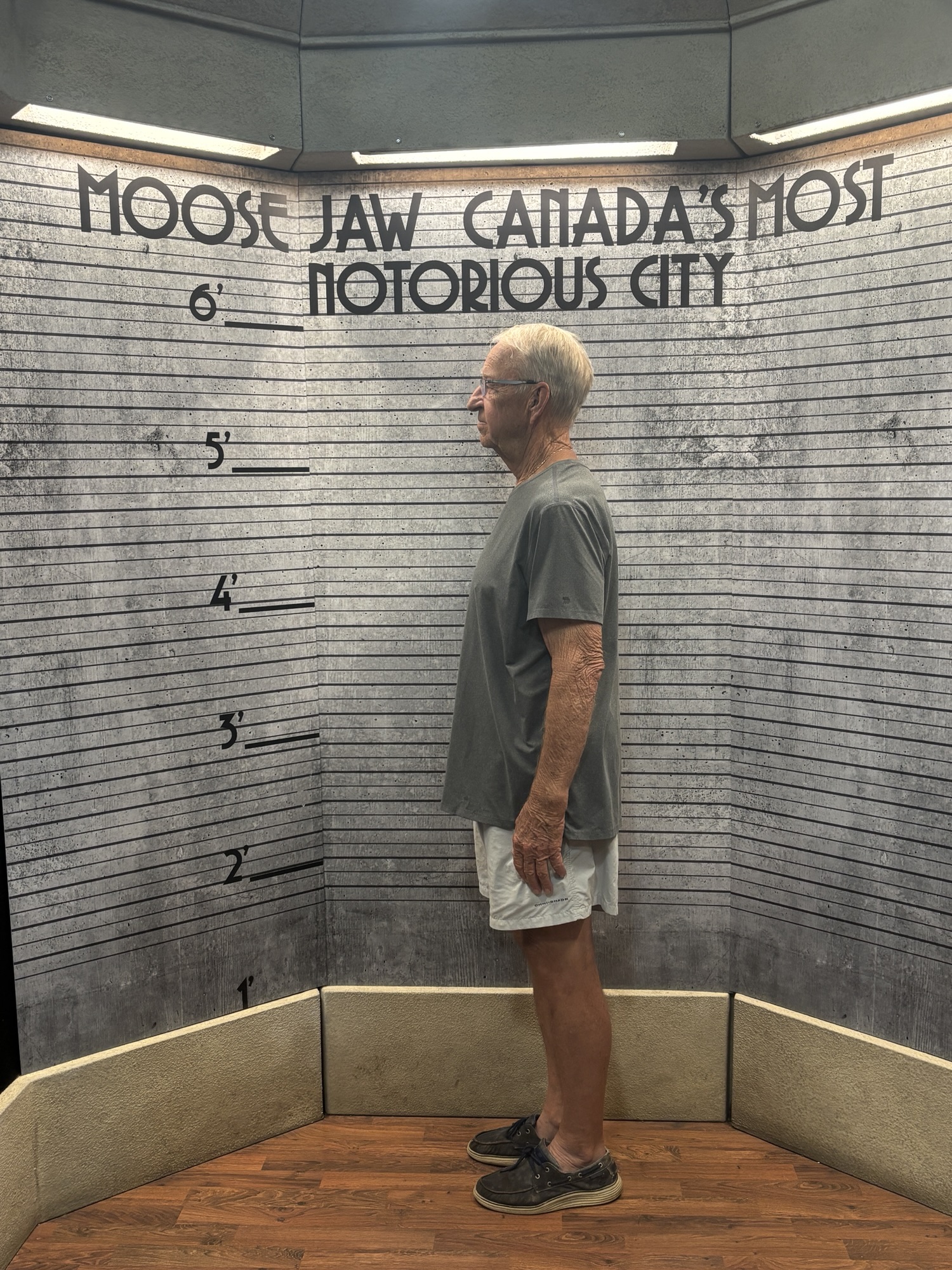
The next day we continued on TCH 1 West to Swift Current, SK. On the way, we had to stop for a quick visit at the Visitor Center in Moose Jaw and see the huge statue of Mac the Moose. He is quite impressive. And as a side, Moose Jaw is famous as the bootleg capital of Canada known as Little Chicago during the Prohibition Era with numerous colorful characters on both sides of the issue. The visitor center outlined this history and the many stories of the famed tunnels. It also had a replica jail and mug shot setup.

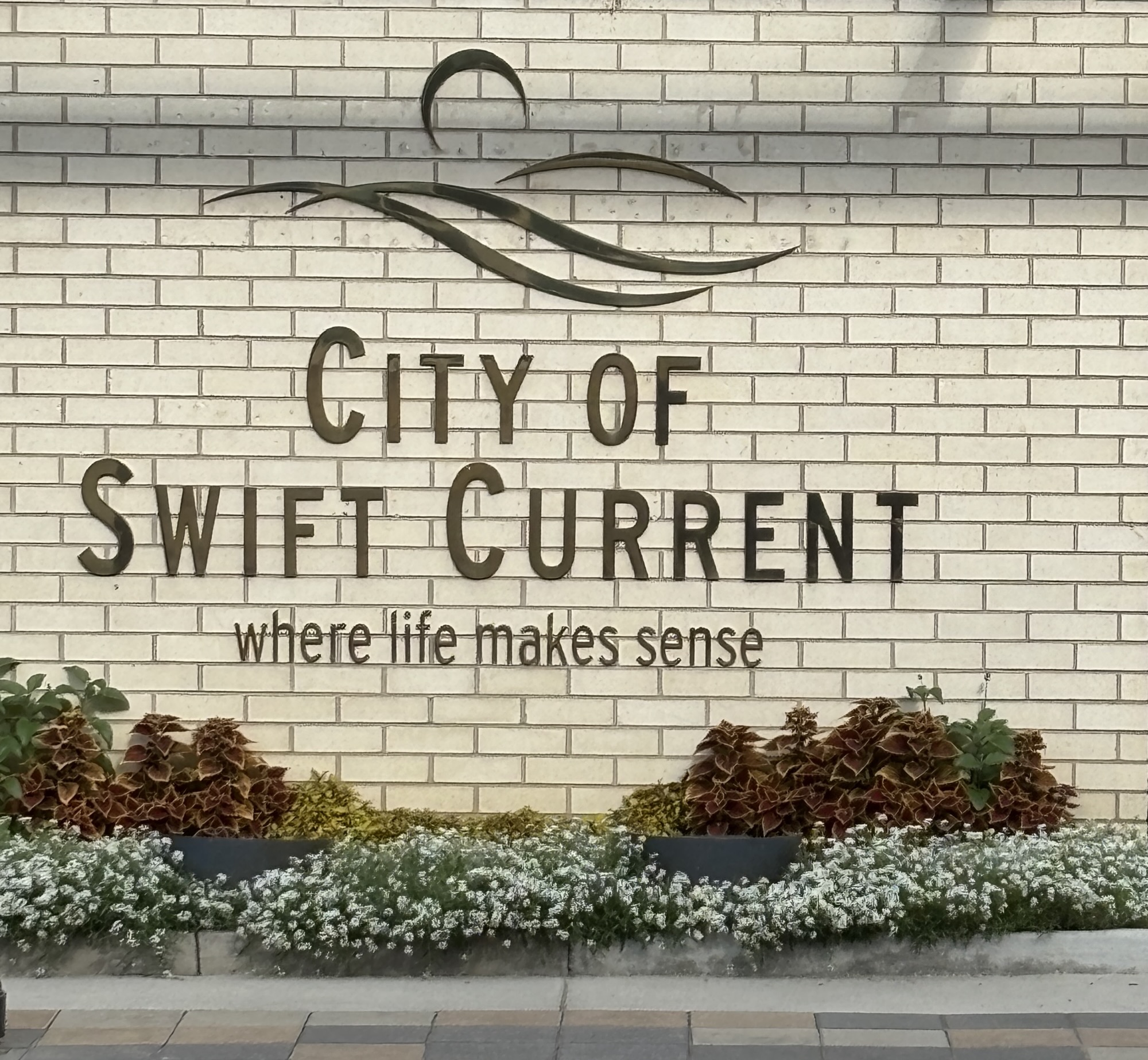
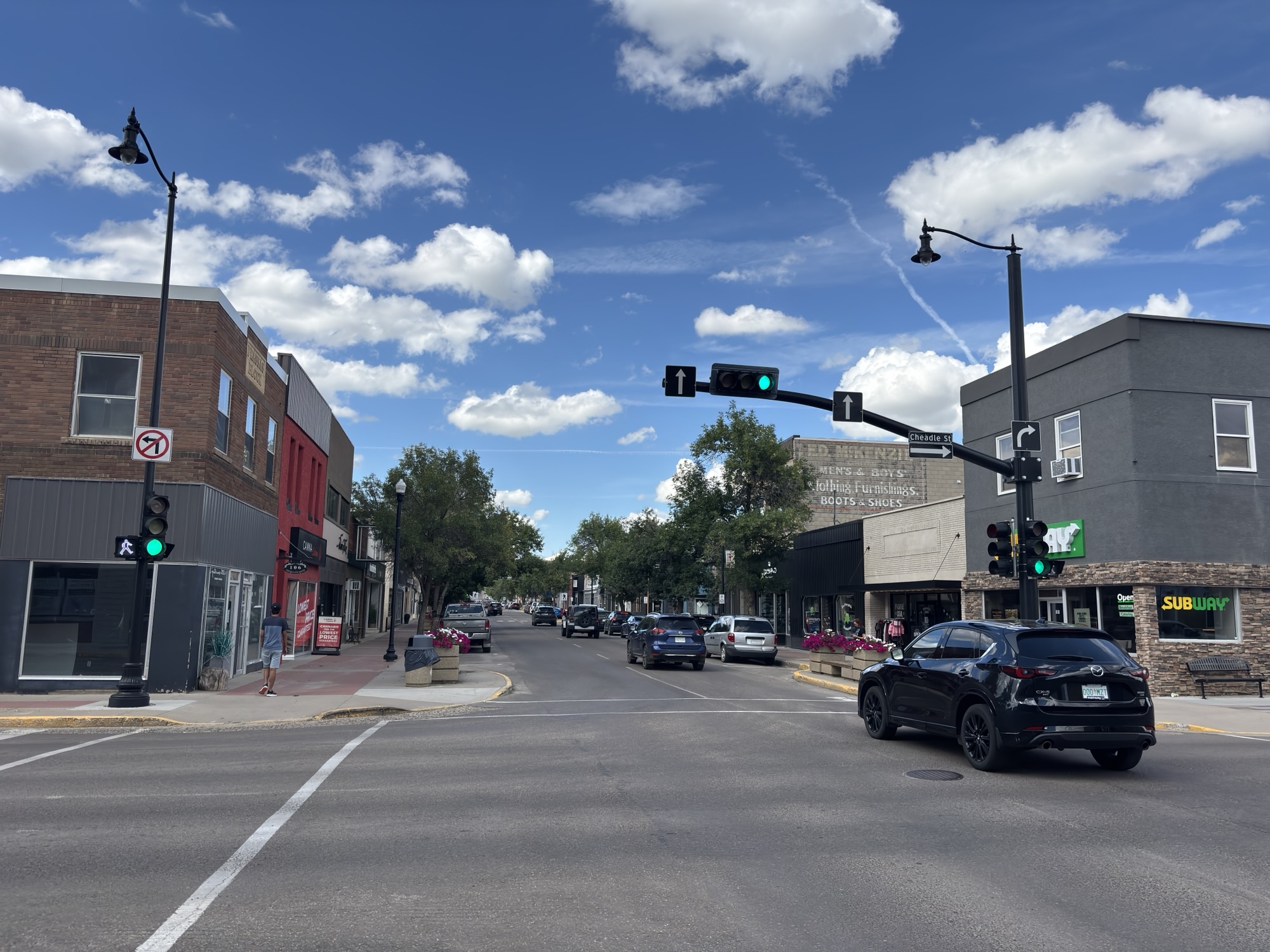
Swift Current is a quiet town in the middle of the wheat and canola fields on TCH1 about 170 miles from Regina and 300 miles from Calgary. Our sailing friends (and, as we lovingly call them, “the worst buddy boaters ever”) Howard and Lynn live in Vancouver but are originally from Swift Current and their boat is named “Swift Current”. They met in school, got married early and figured out a way to get out of town!
We told them that we were going to stop in Swift Current, but they couldn’t understand why! However, they did give us some of the places in town where they lived and went to school, etc. So, we used the list as a kind of scavenger hunt and drove around town to find these spots. And we did! And we sent them current photos for their photo albums! It was fun!
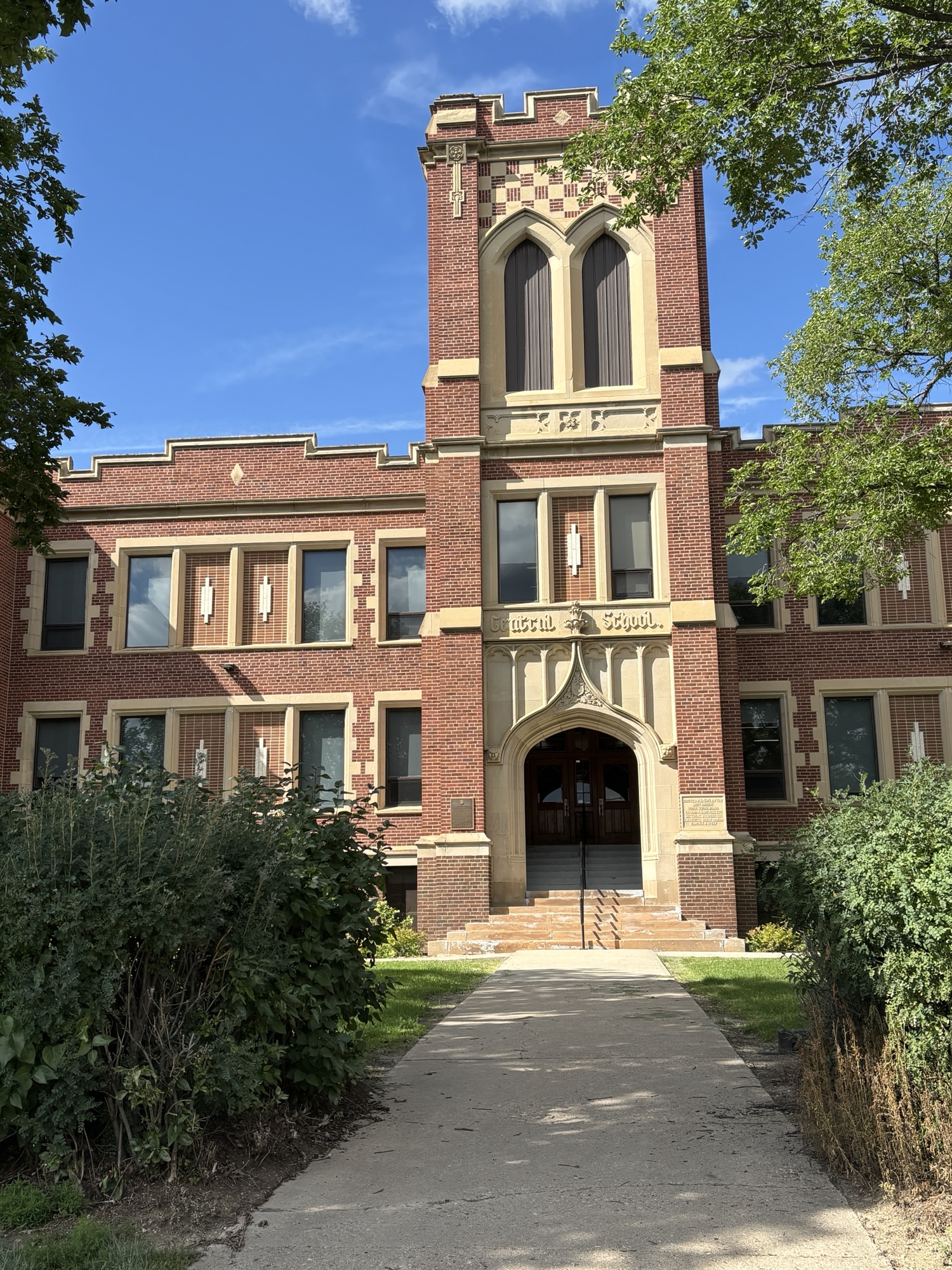
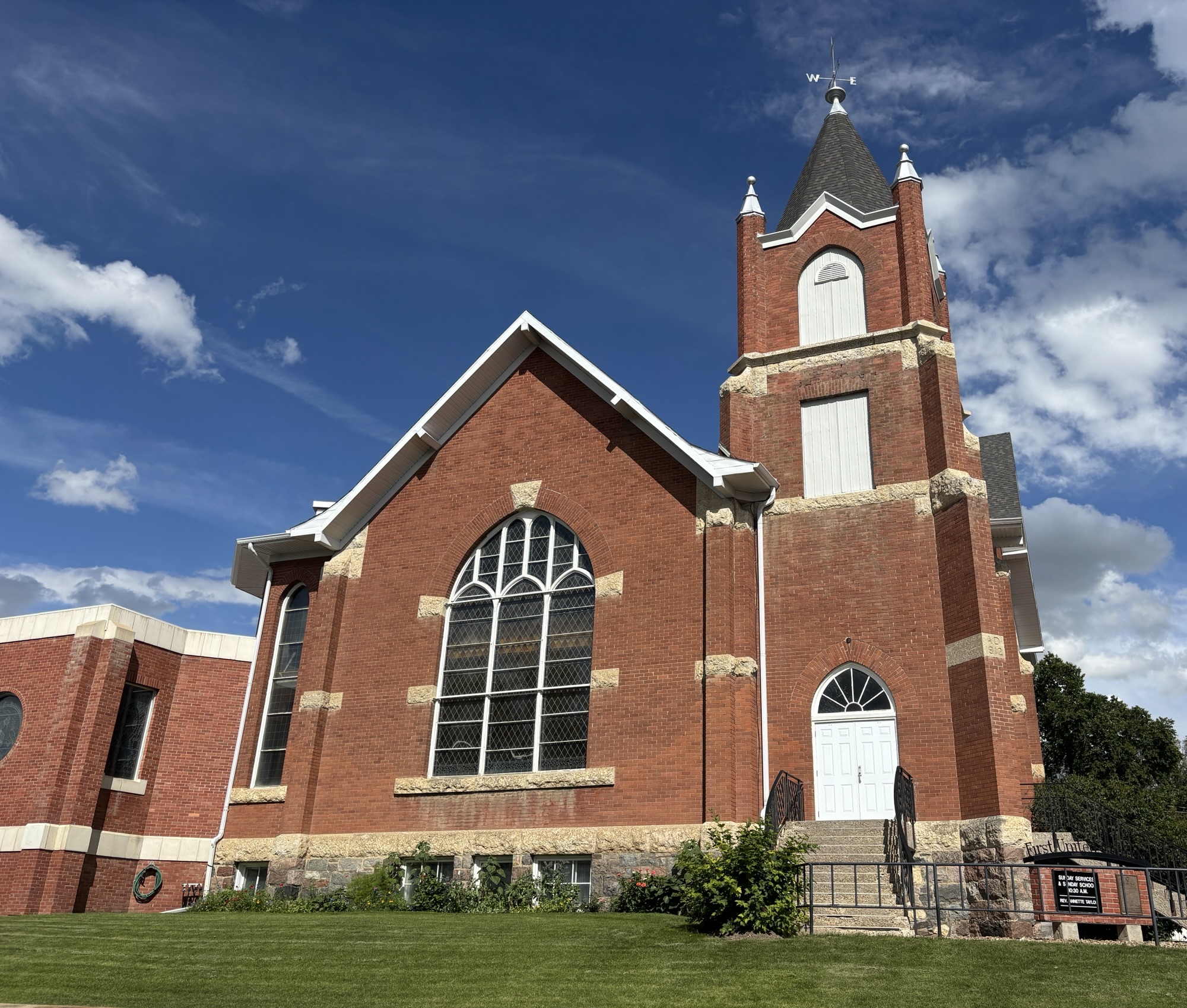
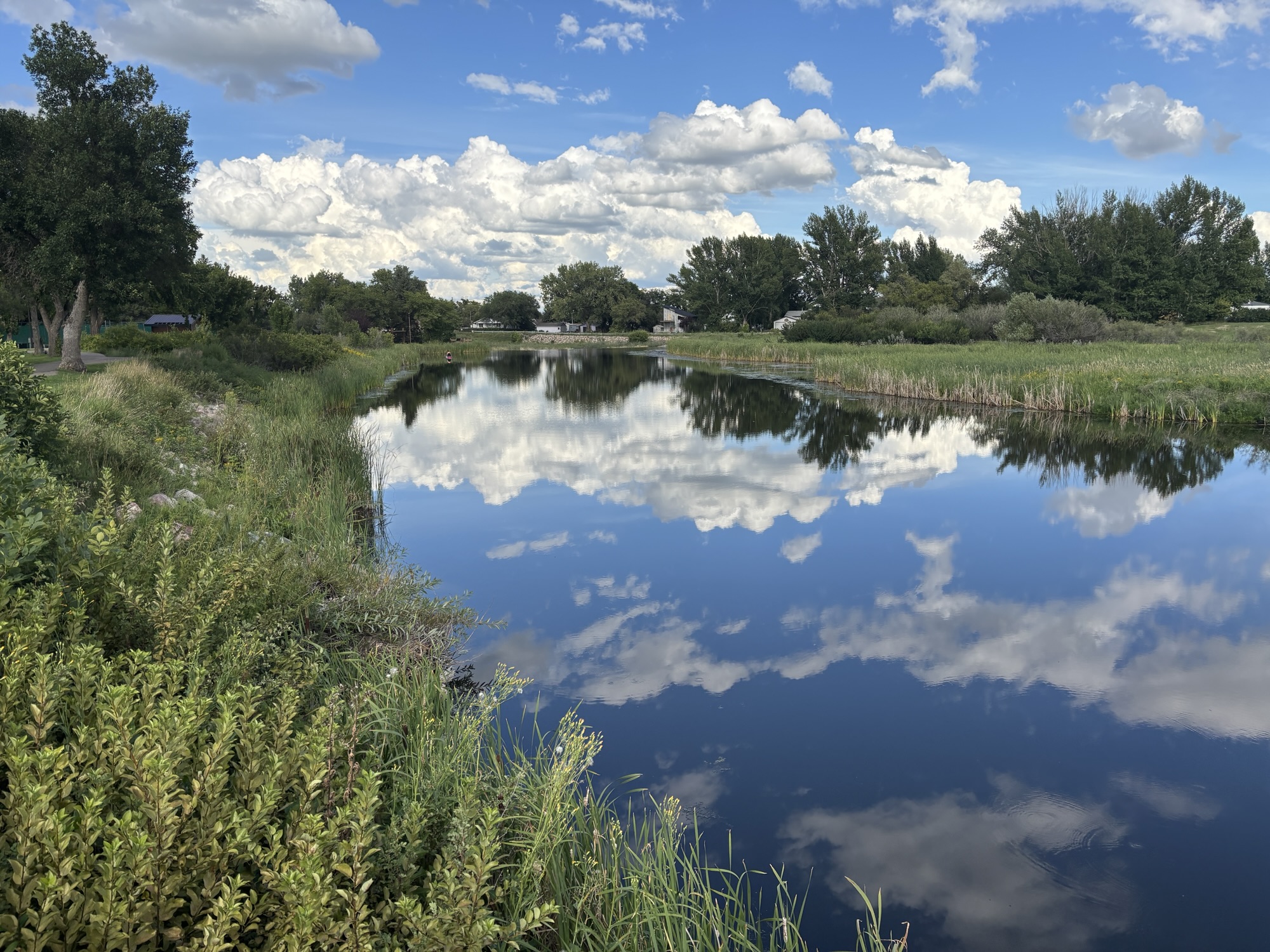
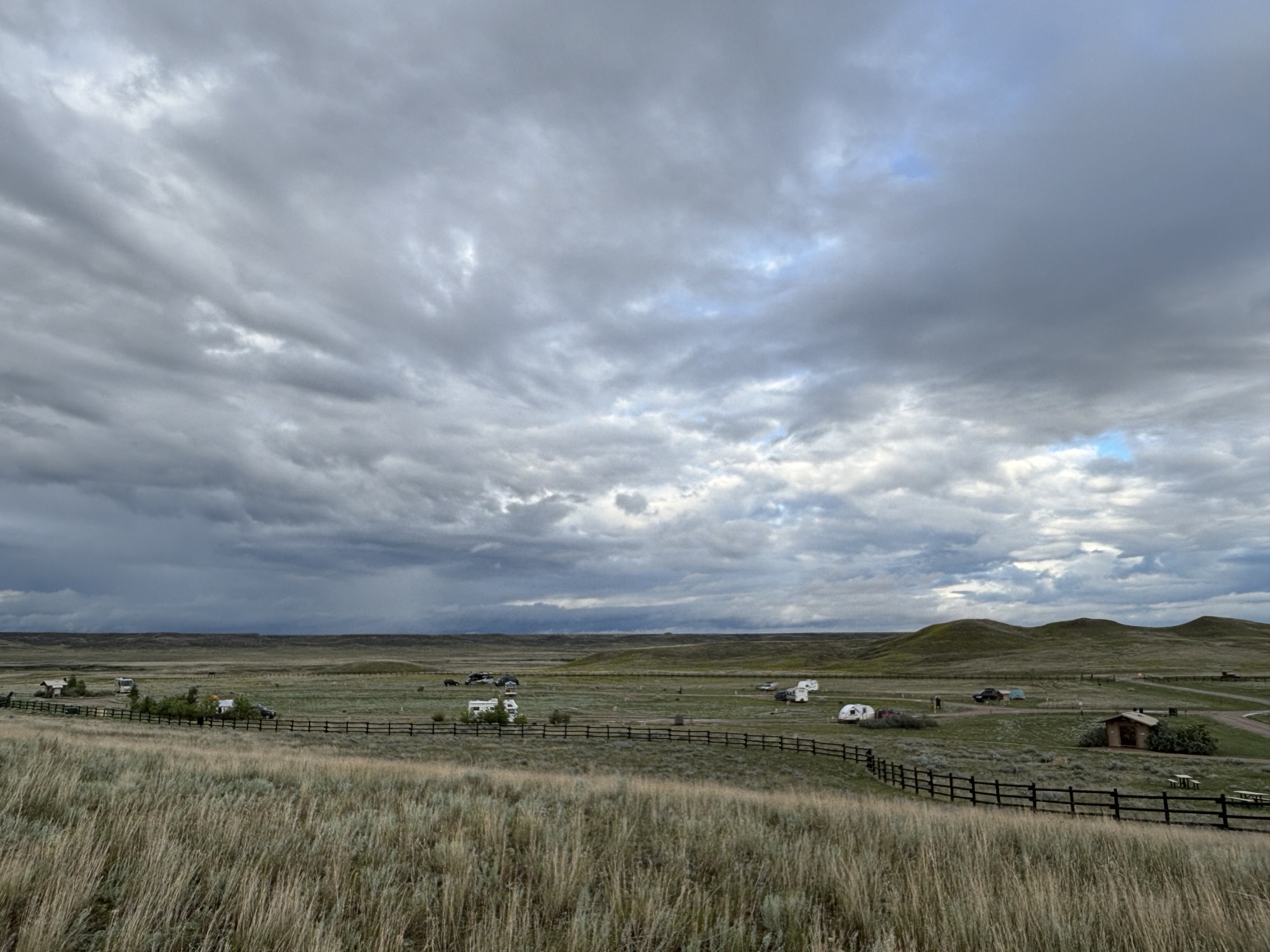
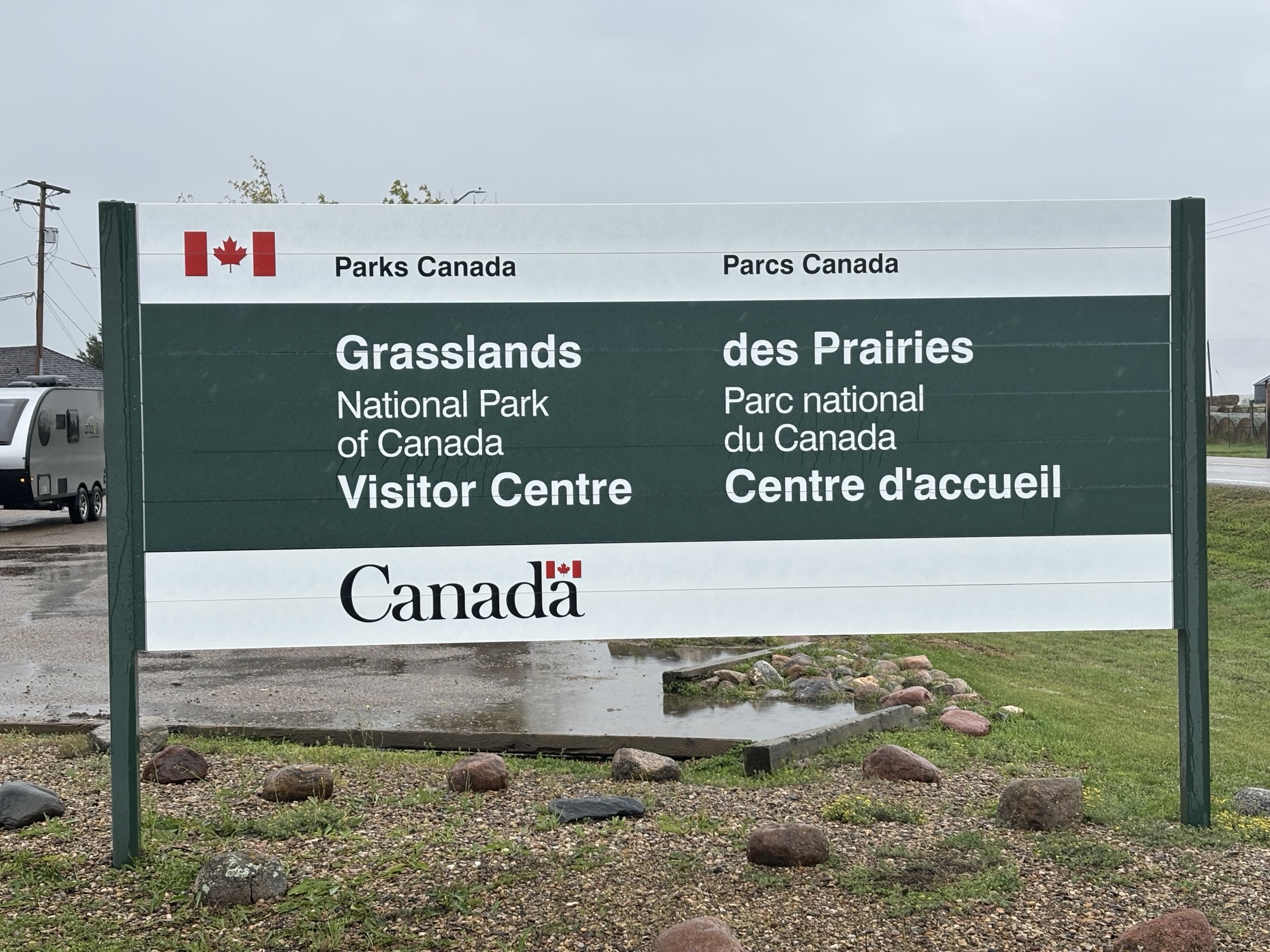
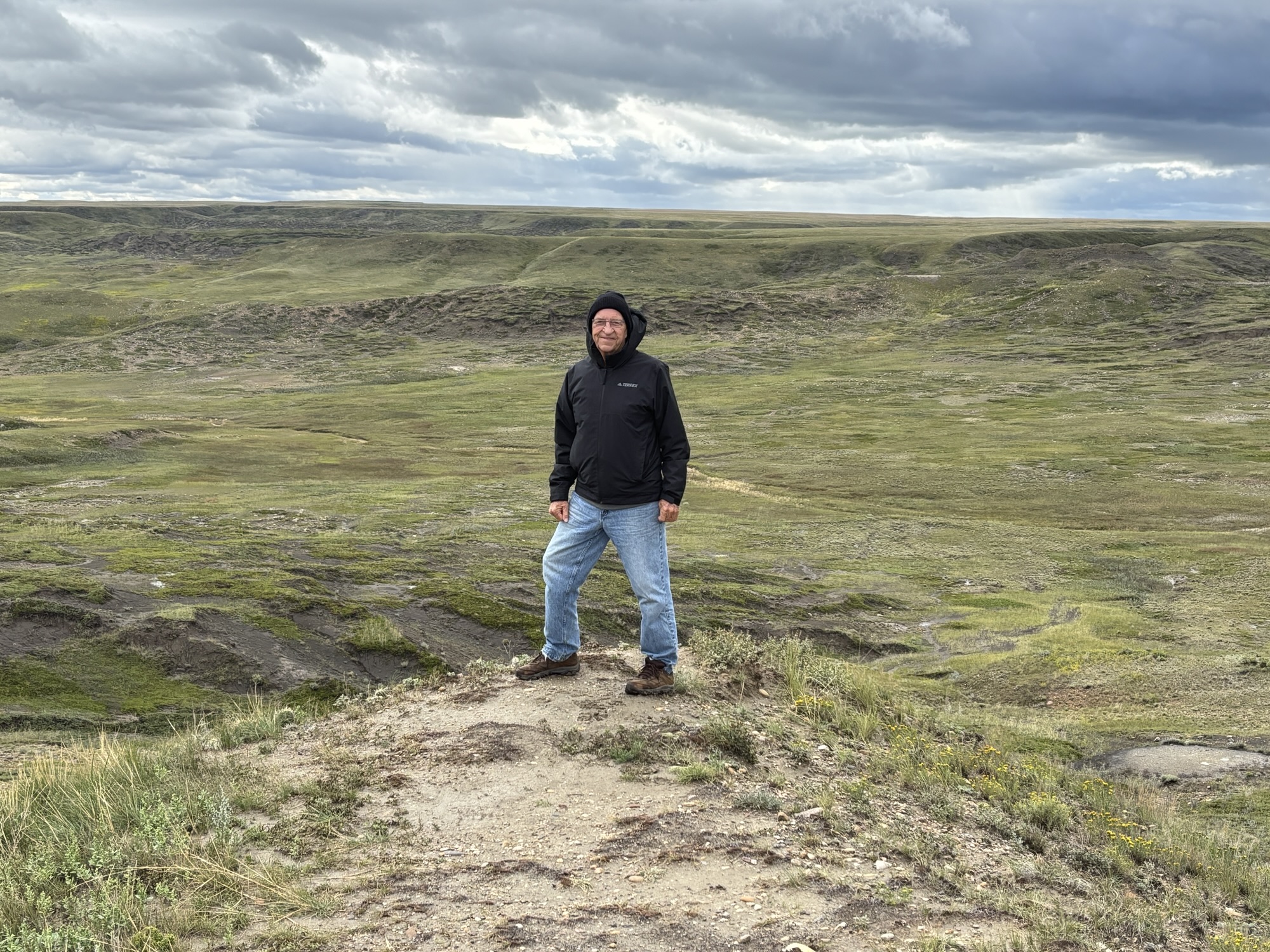
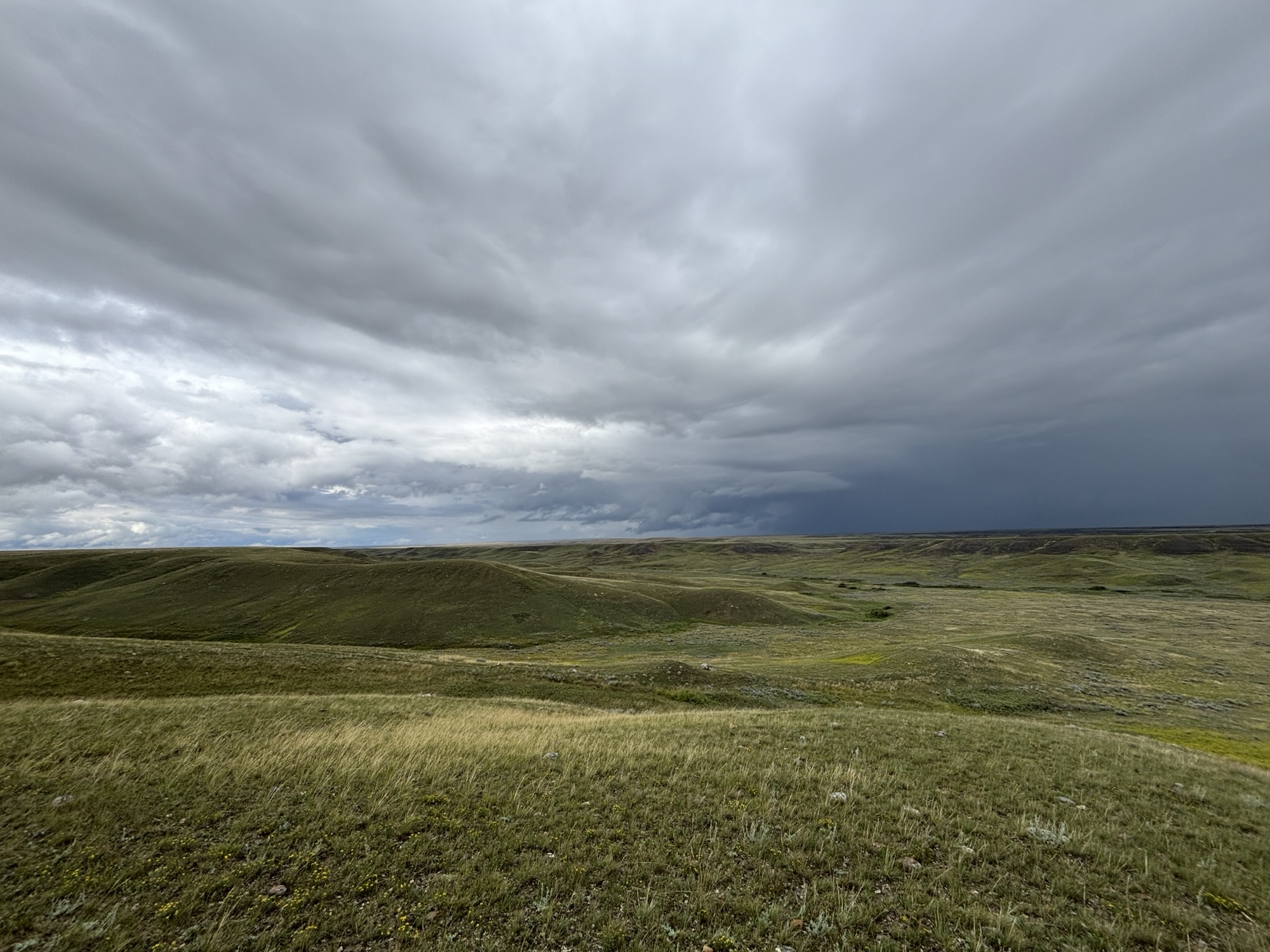
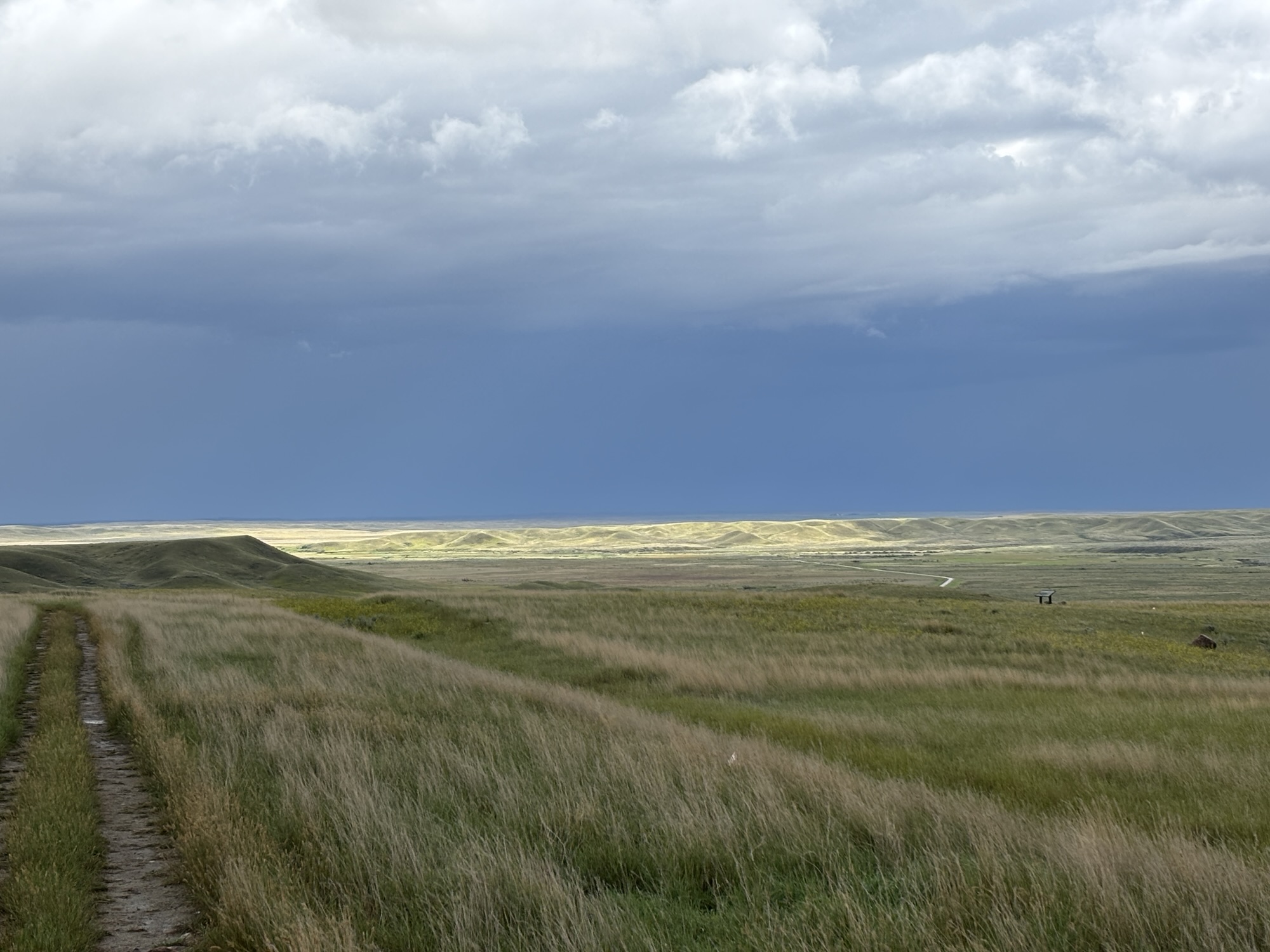
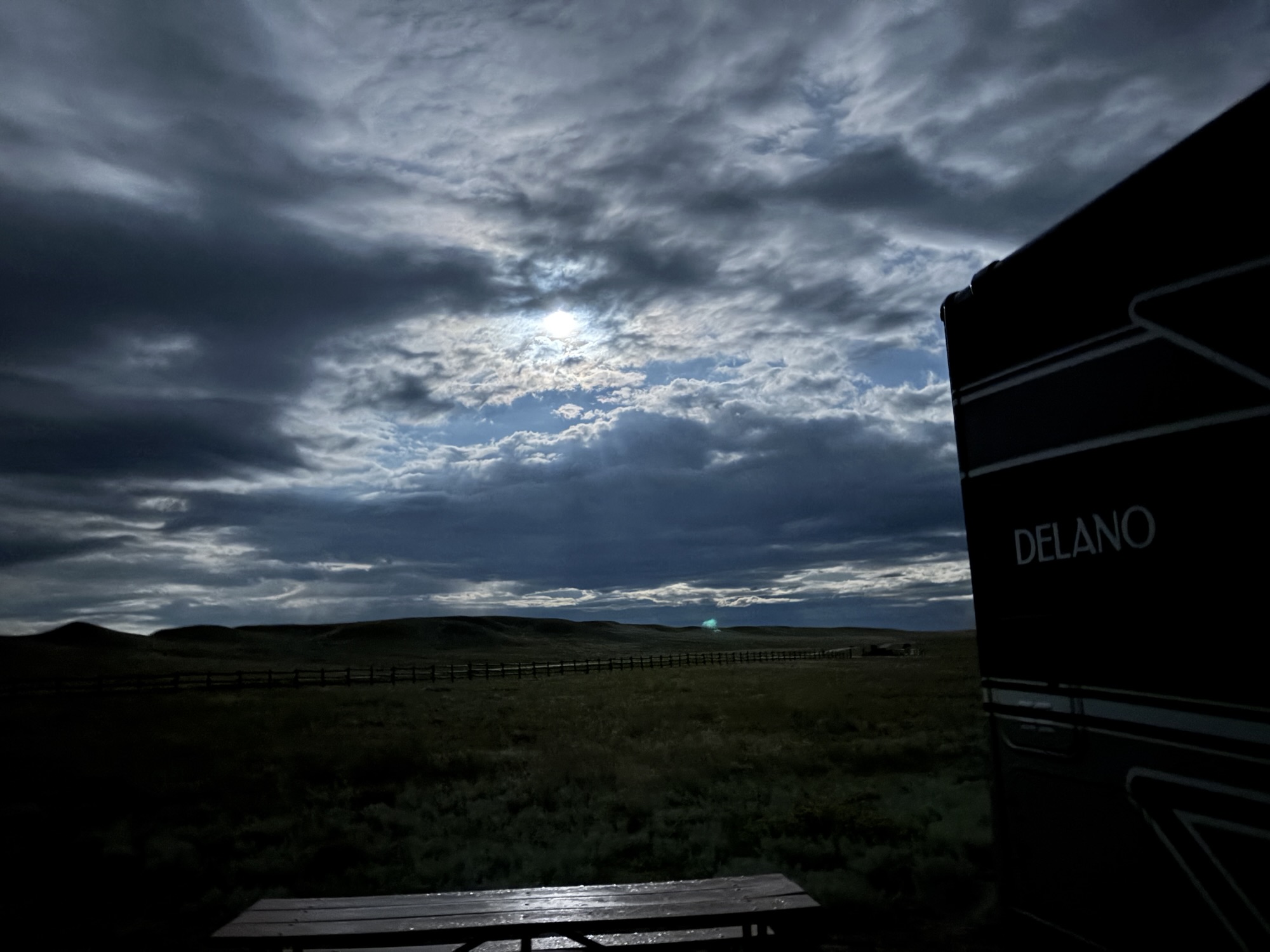
The next day we drove due south to Grasslands National Park on the border with Montana. I had hoped for a dark night with clear skies ever since I made the reservation. As you might imagine there is not much light around the park to affect the stars. But we had a cloudy night with almost a full moon to boot! Not good for stargazing but still a cool place to stay.
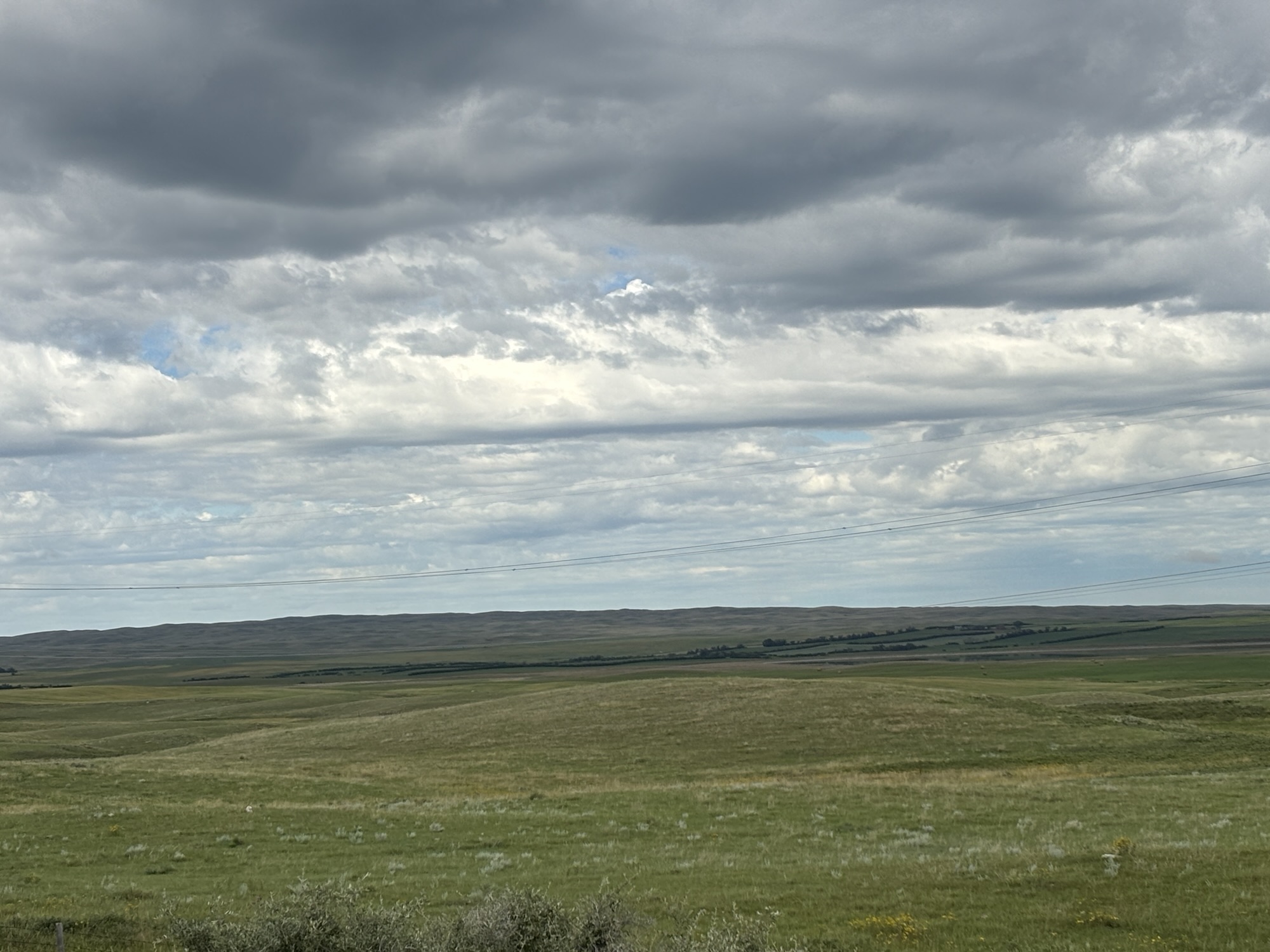
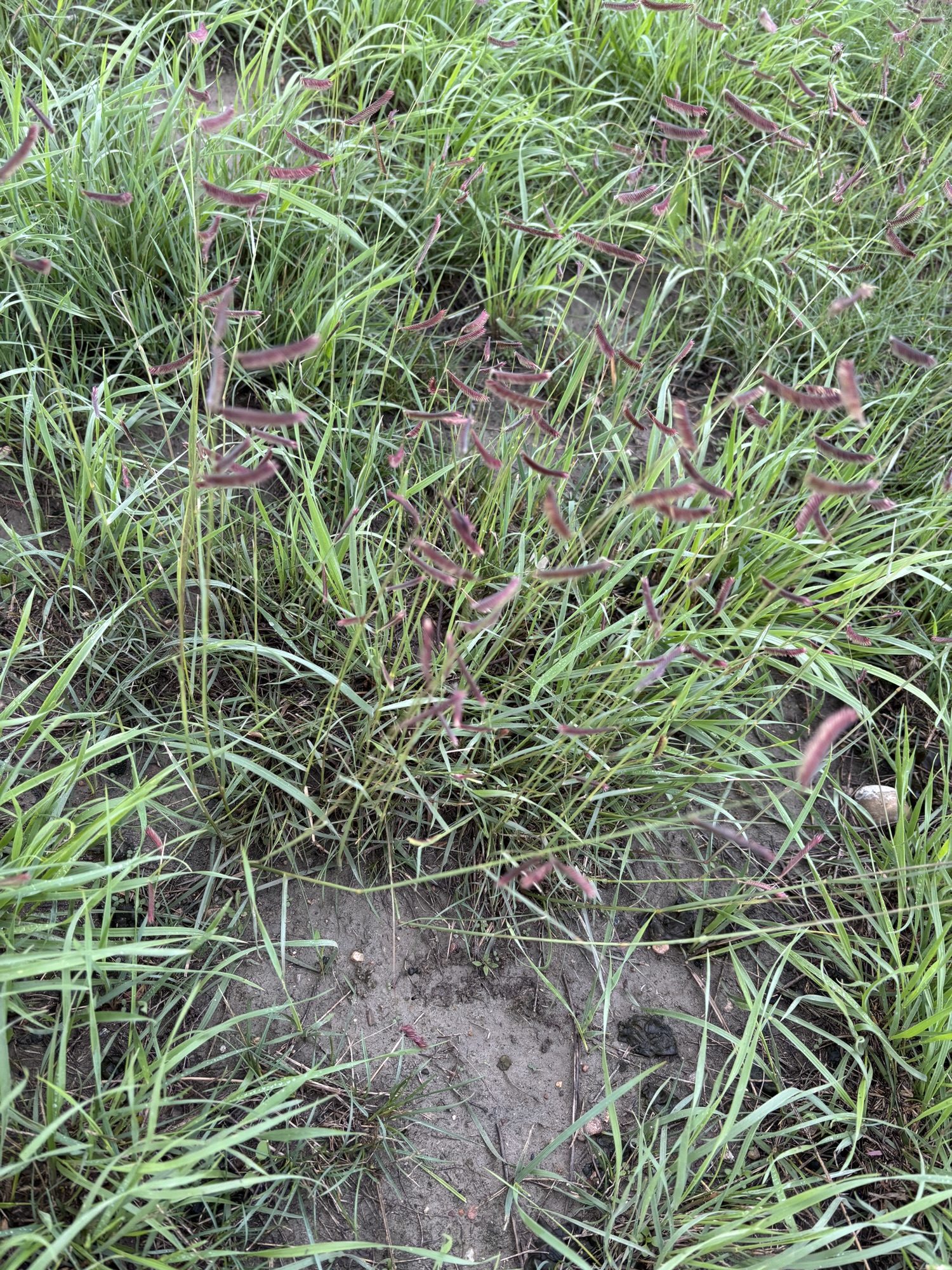
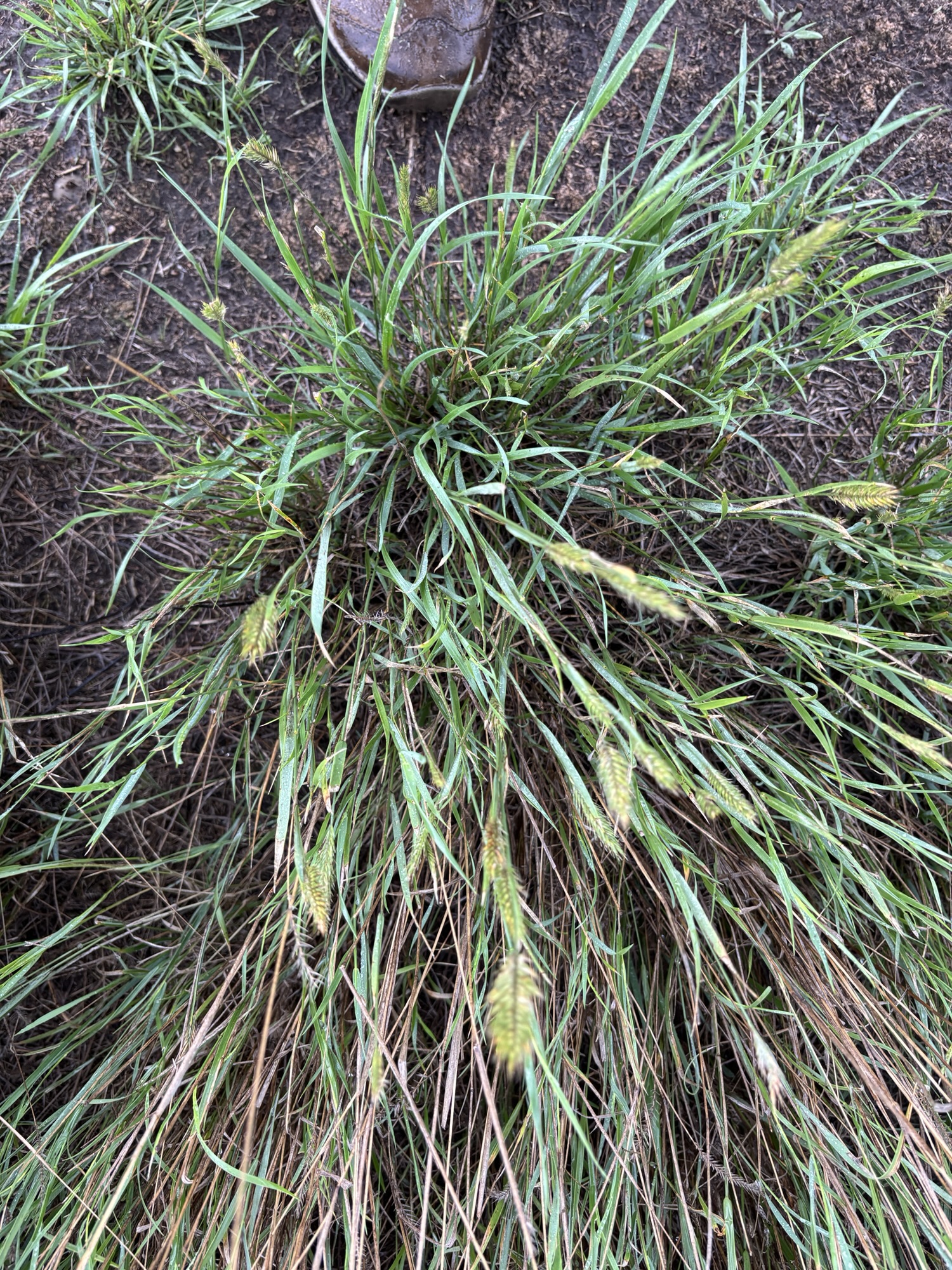
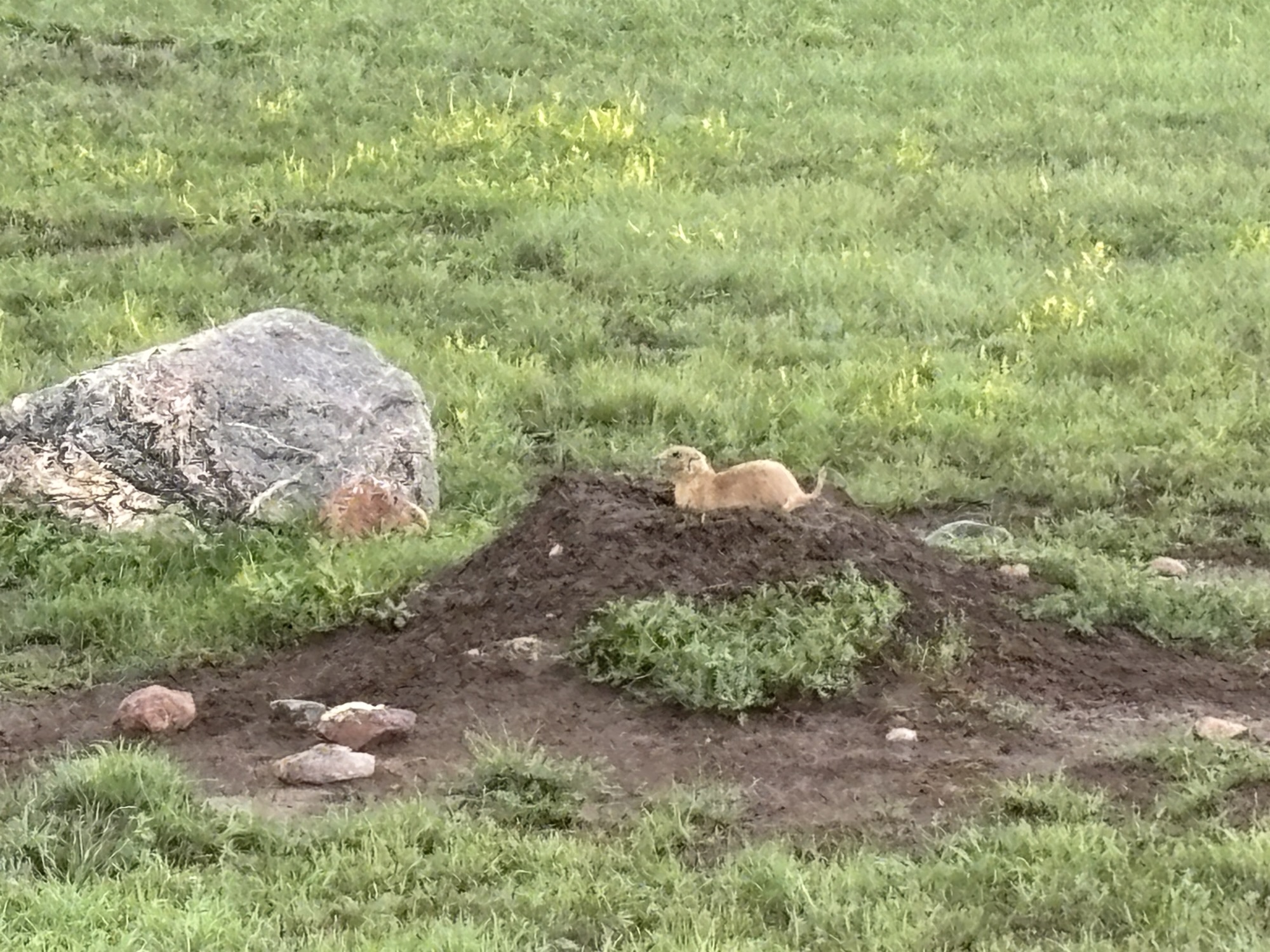
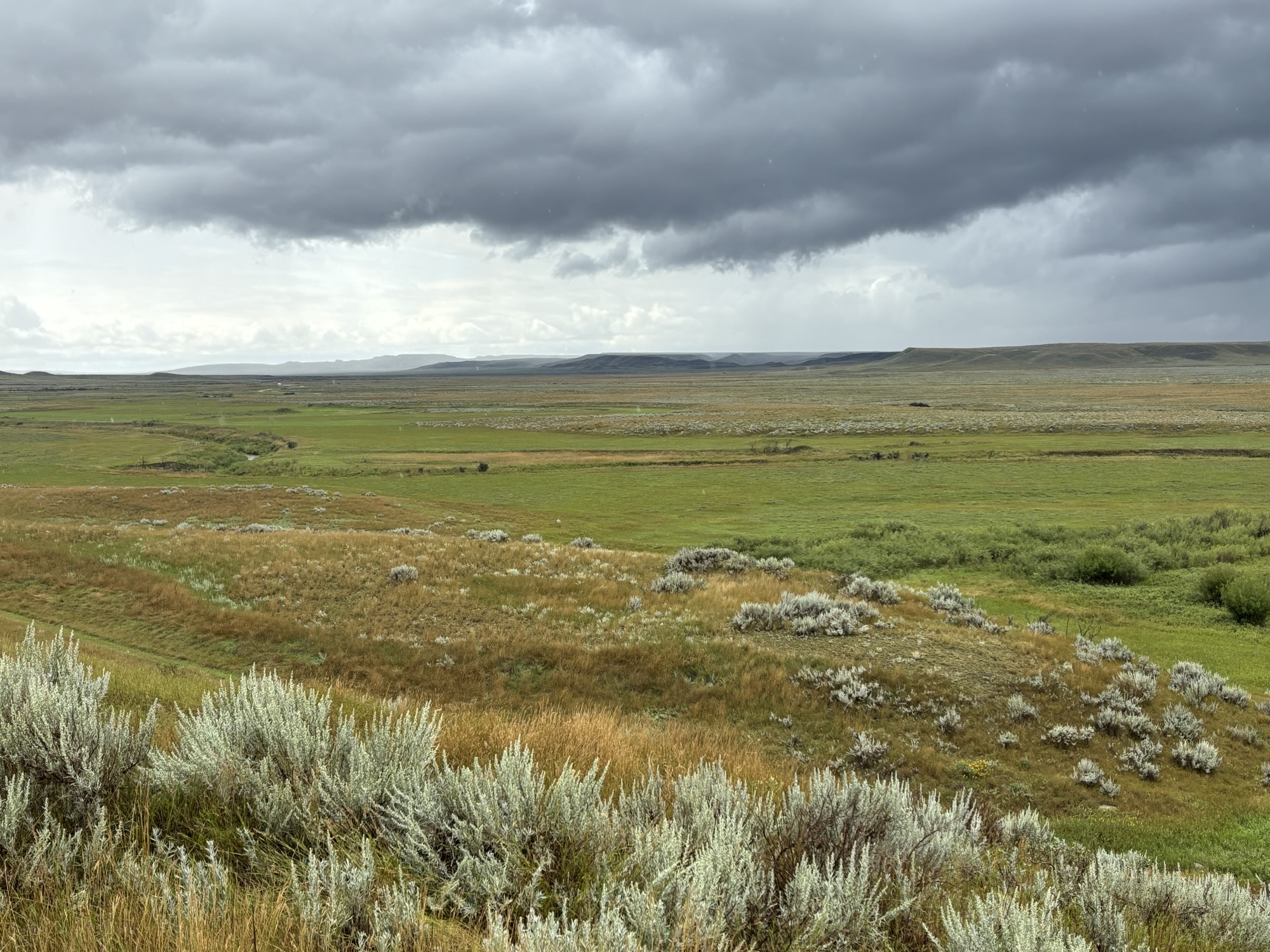
However, even though it was cool and drizzly, we did the Ecological drive through the park and learned about the different grasses including Blue Grama and Needle and Thread and their importance to the area. There are 7 interpretive stops throughout the park and most involve a short walk. And within the park, there is a large heard of Bison, over 900, but we did not see any. We were told they were in a remote part of the park. But we did see a lot of prairie dogs!
We also learned that there are about 1200 Tipi (tepee for us Americans) circles in the park which are rock circles that are left from when the original people lived on the land. We looked but could not identify any.
In building the park, they tried to leave the land as undisturbed as possible, so all the park structures were built on previously disturbed land, like farms and ranches that had been there before the park.
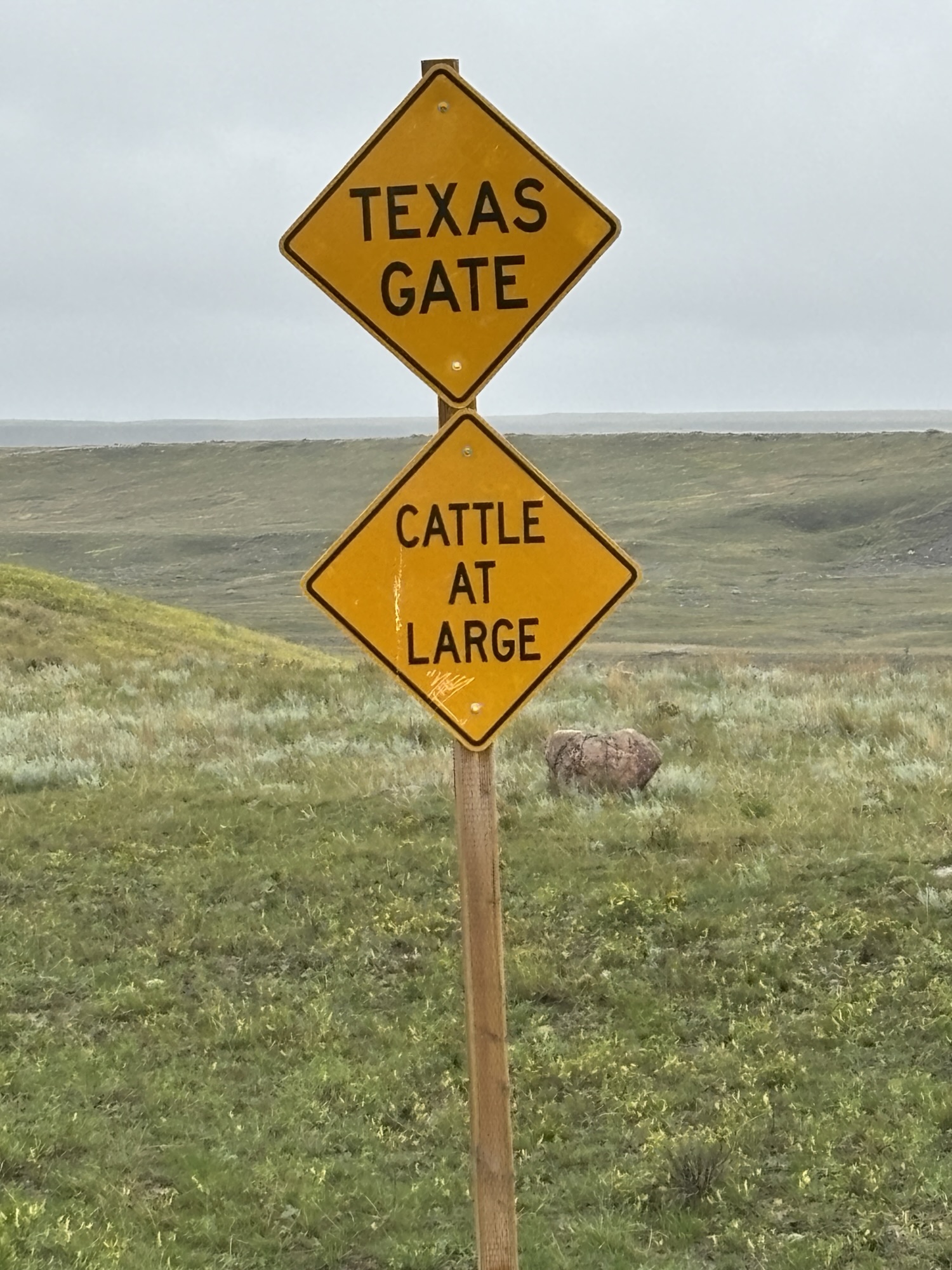
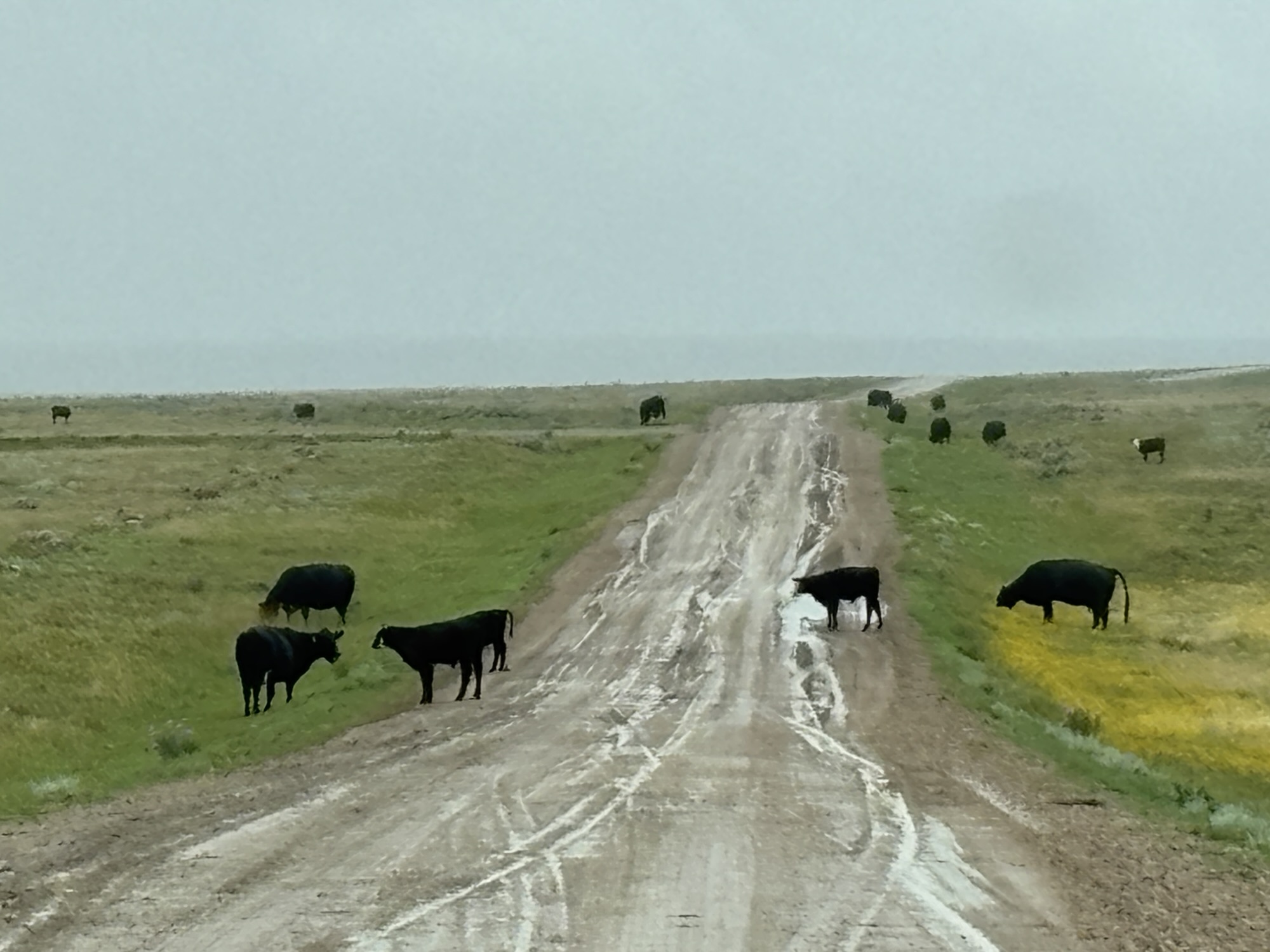
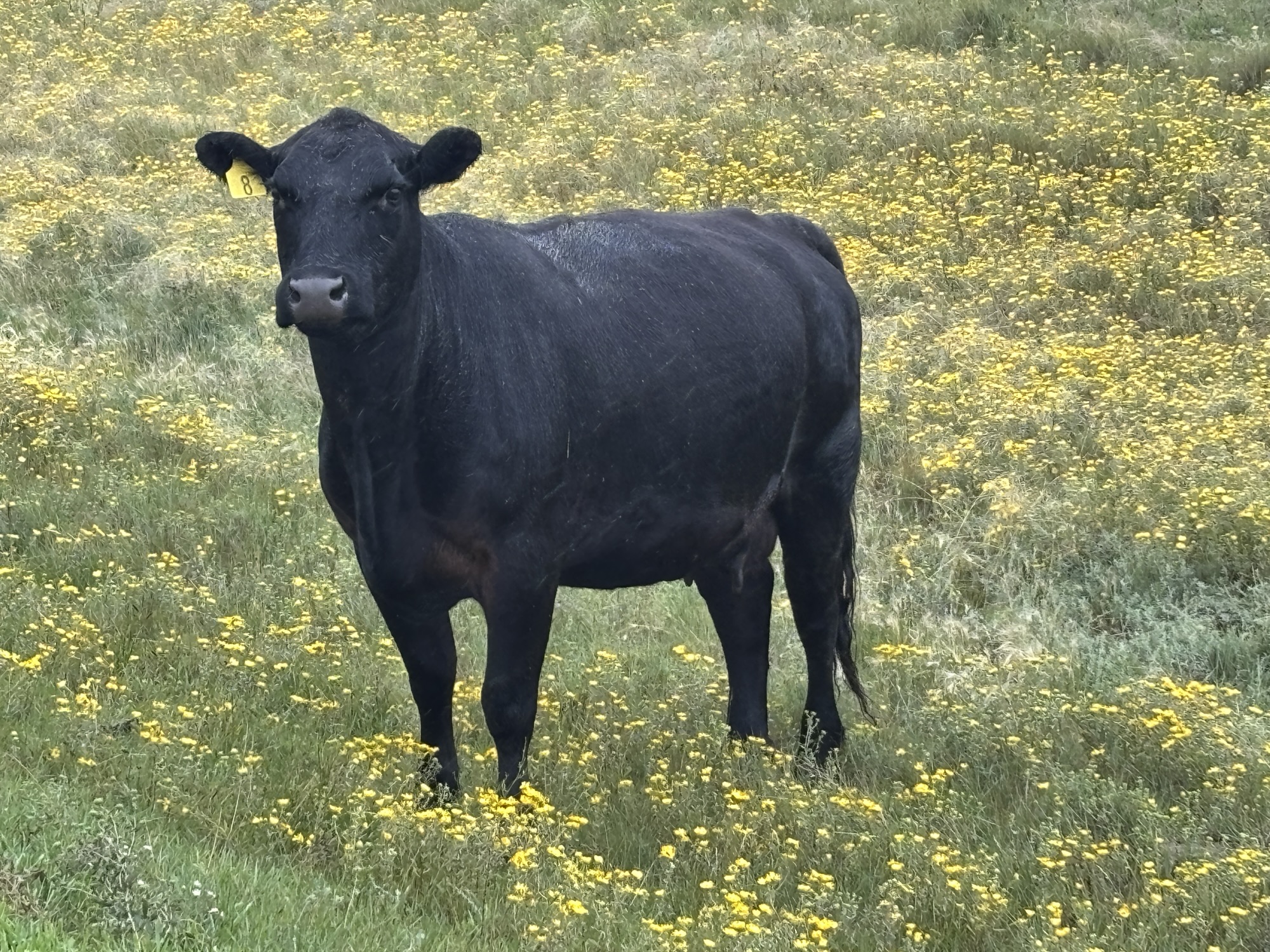
That evening we stumbled on a talk given by one of the park rangers. She discussed more about the Bison and other animals in the park. The Bison are critical to the grasslands as the grass needs to be grazed so it regrows. One reason we may not have seen any bison, is that they have had more rain than usual and the Bison have not had to move down toward the road from the more protected areas. There are also cattle used in the park to graze the land. As we were entering the park we ran into a few!
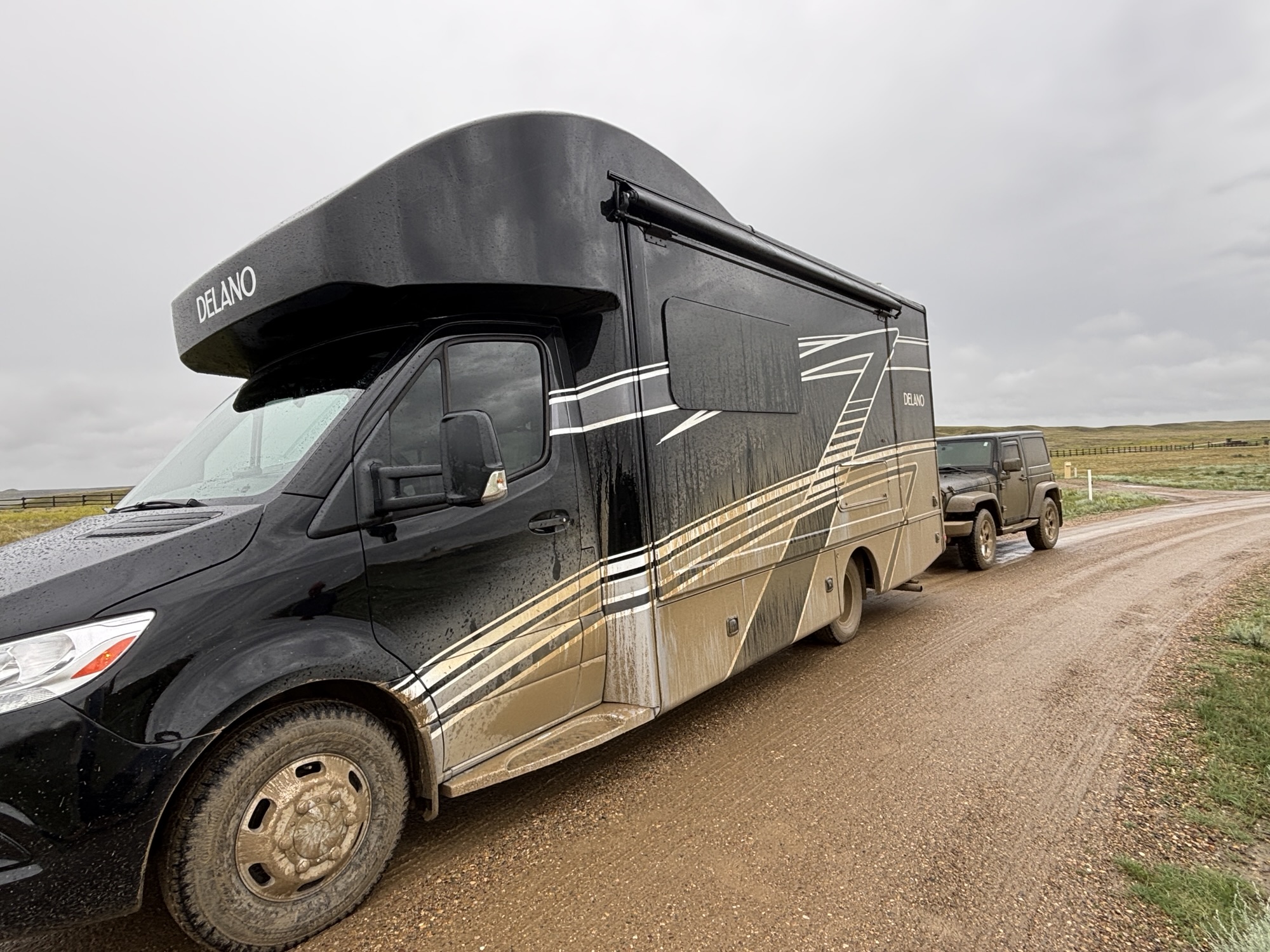
Not the clear dark night sky I had hoped for, but very interesting! And very muddy. More about that next time!

Now on to some really big stuff! Mostly really old big stuff! And then into Alberta!
 Grove Yacht